
Cable or Roller Repair
A targeted repair can make sense when the panels, tracks, opener, springs, and surrounding structure remain serviceable.
Local garage door service · Rochester, NY
Garage door repair and installation for Rochester homes built mostly between 1938 and 1987, covering cable repair, off-track repair, opener installation, roller replacement, and the mixed-generation systems common across the area's 1960s- and 70s-heavy housing stock.
Garage door services
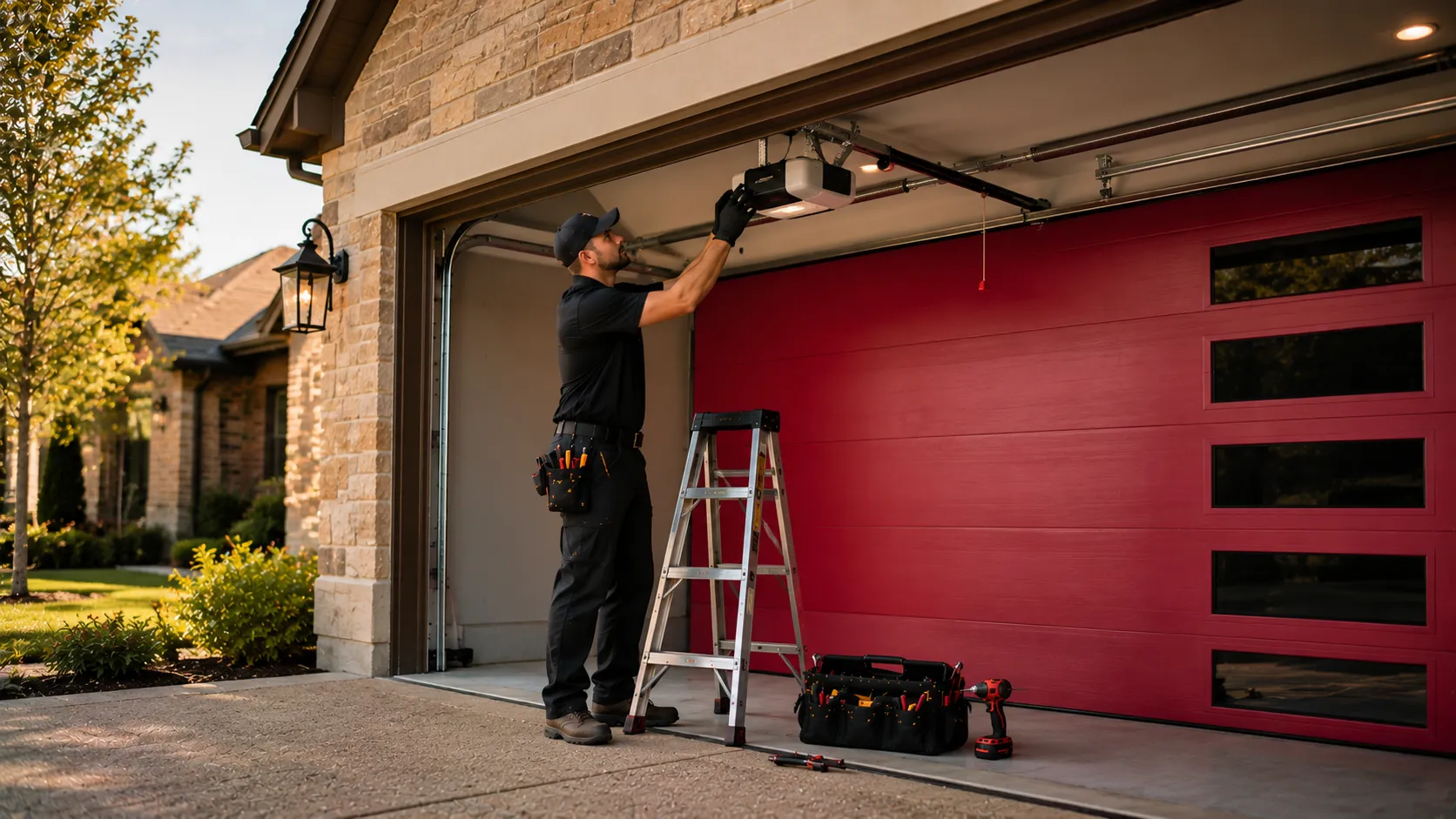
From cable repair and installation to off-track repair, opener installation, roller replacement, and general garage door service, the lineup is built around the older and mixed-generation systems common across Rochester.
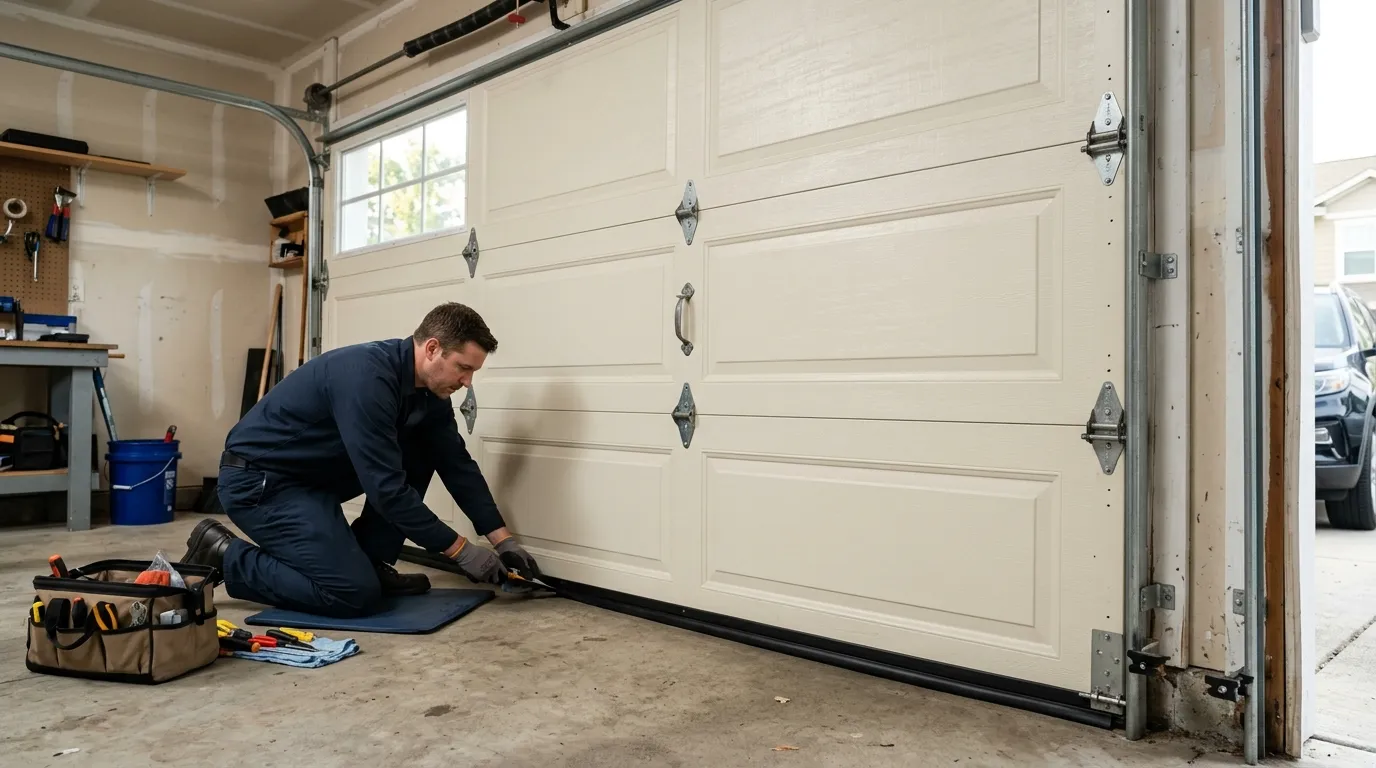
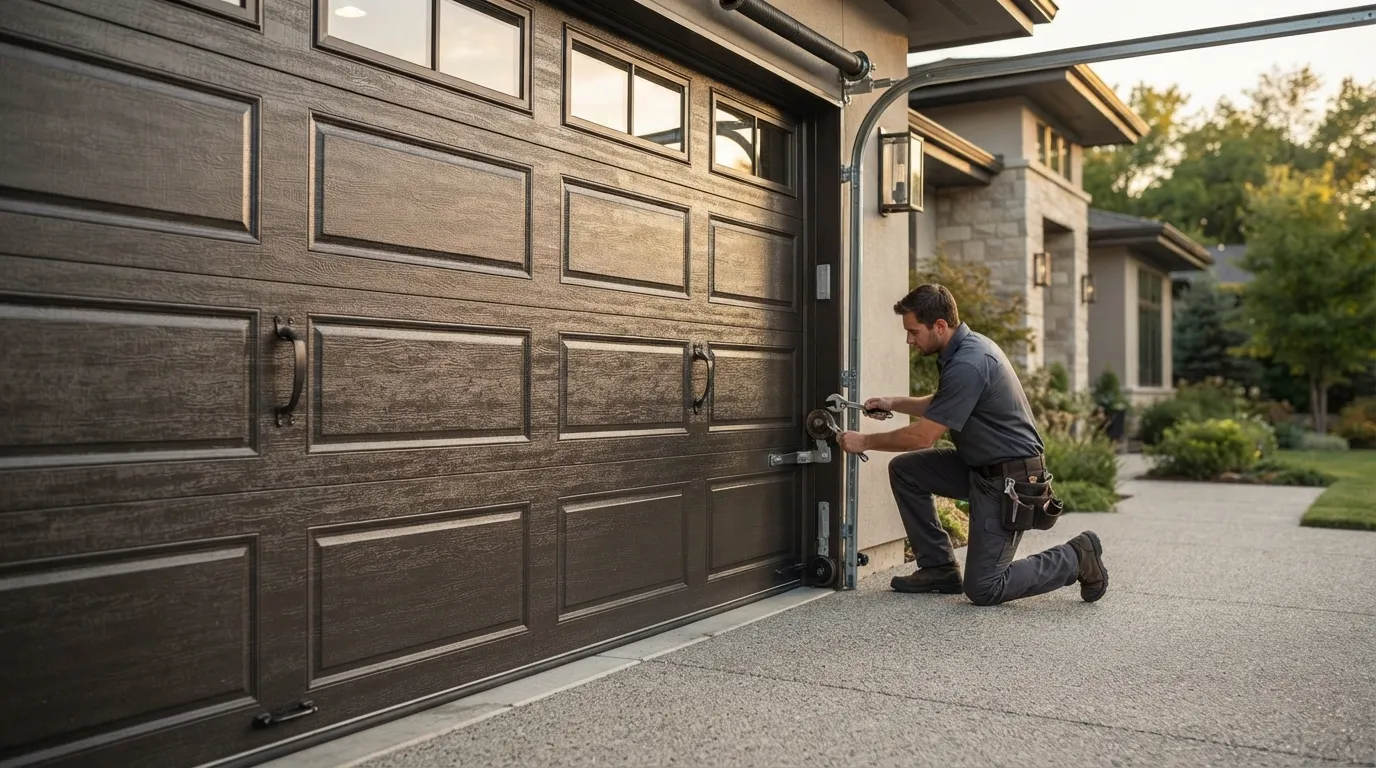
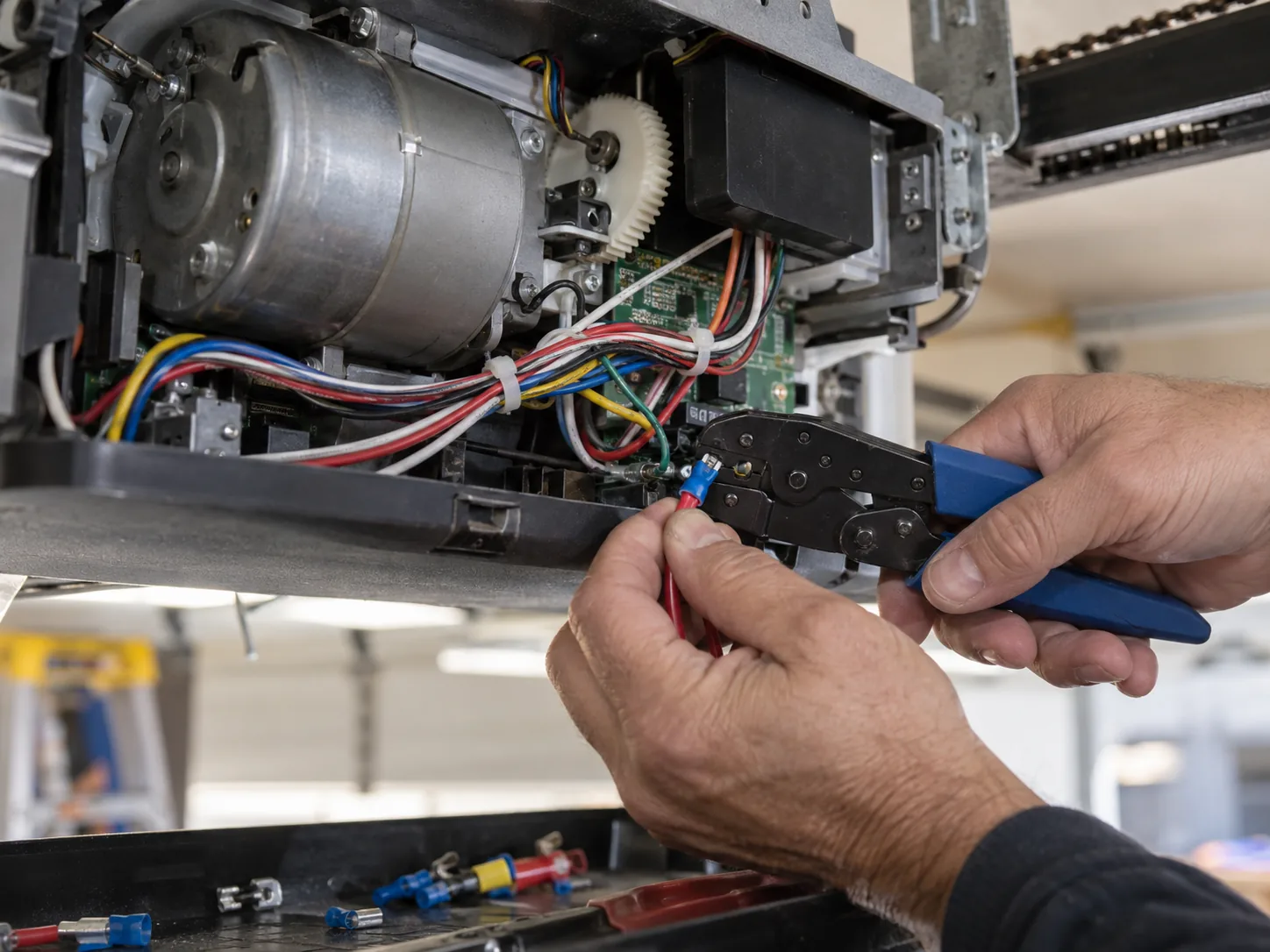
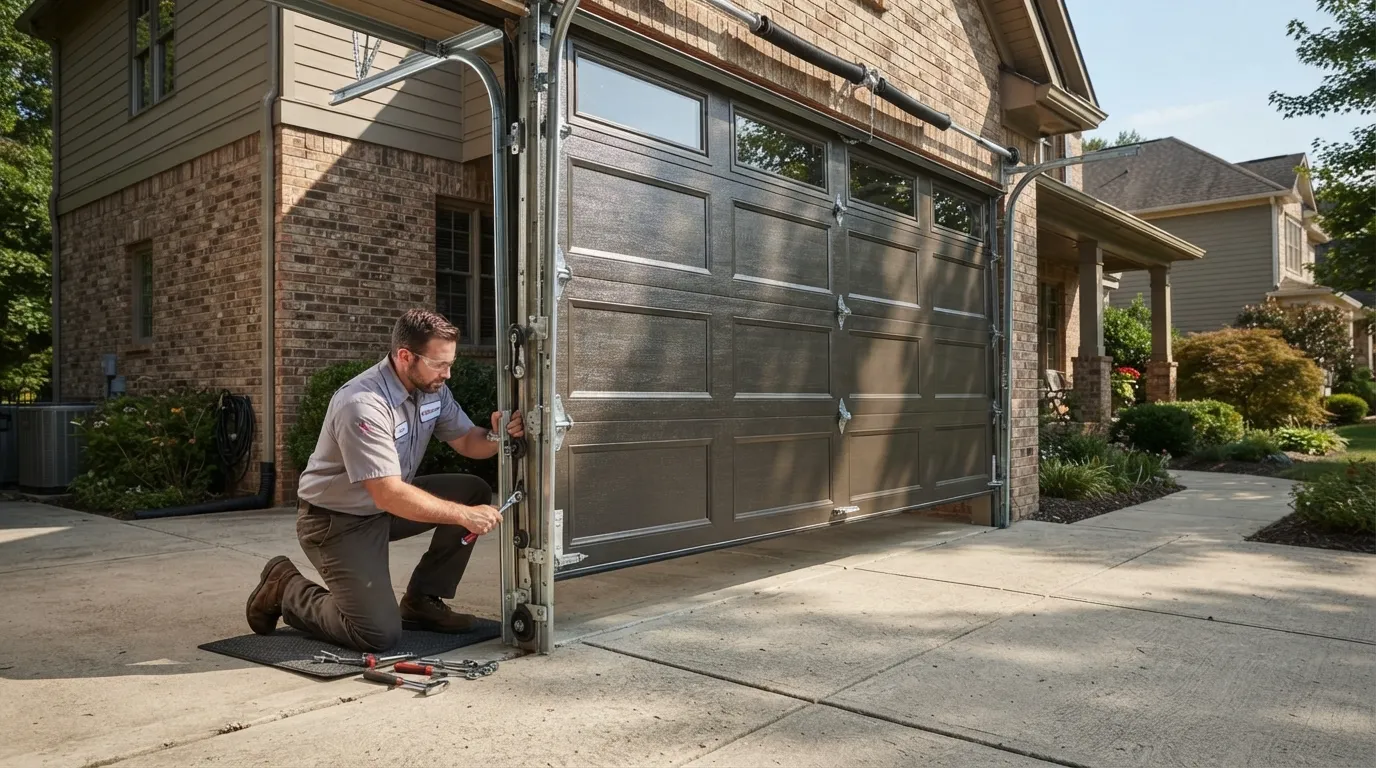
Clear repair guidance
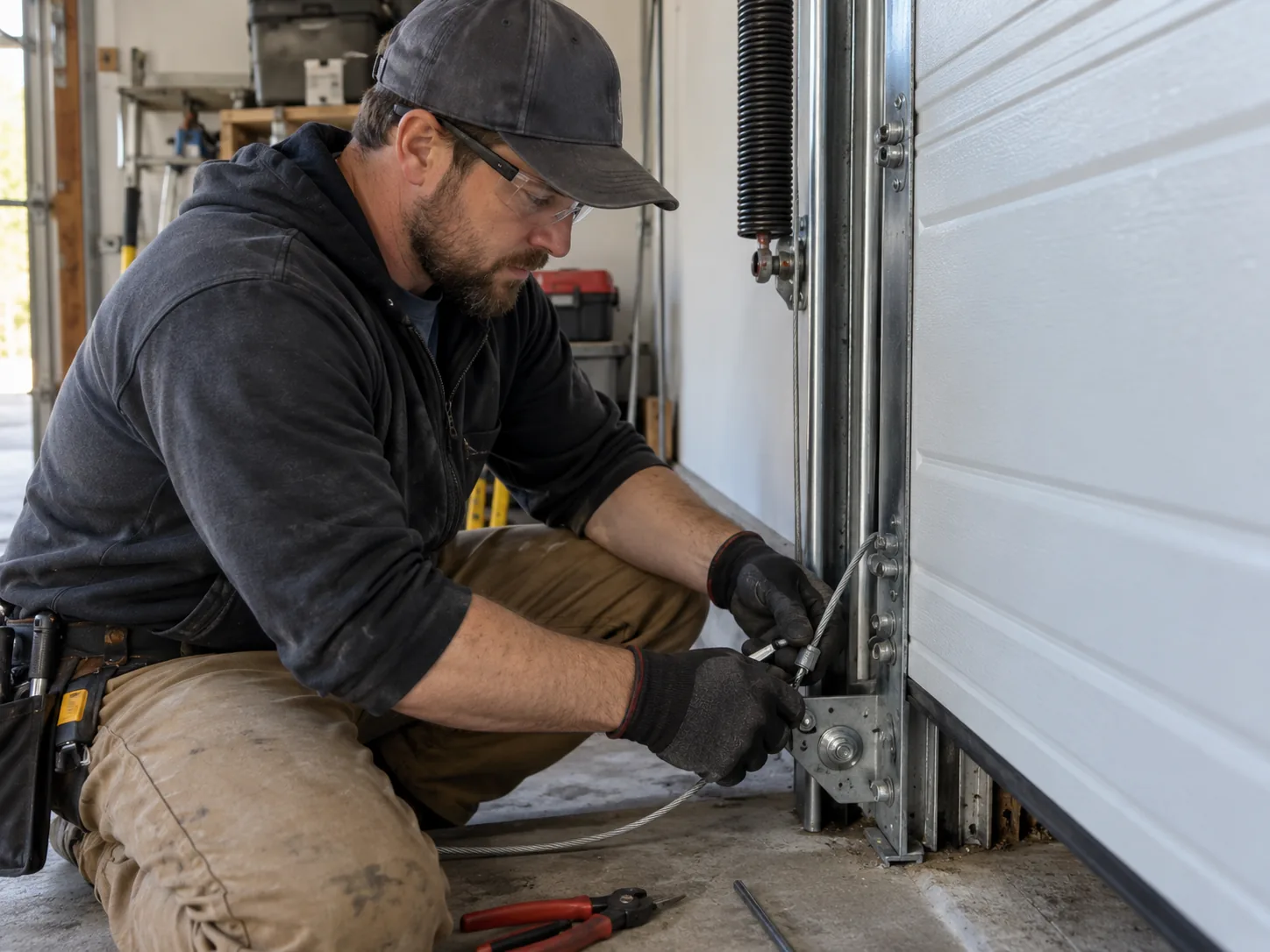
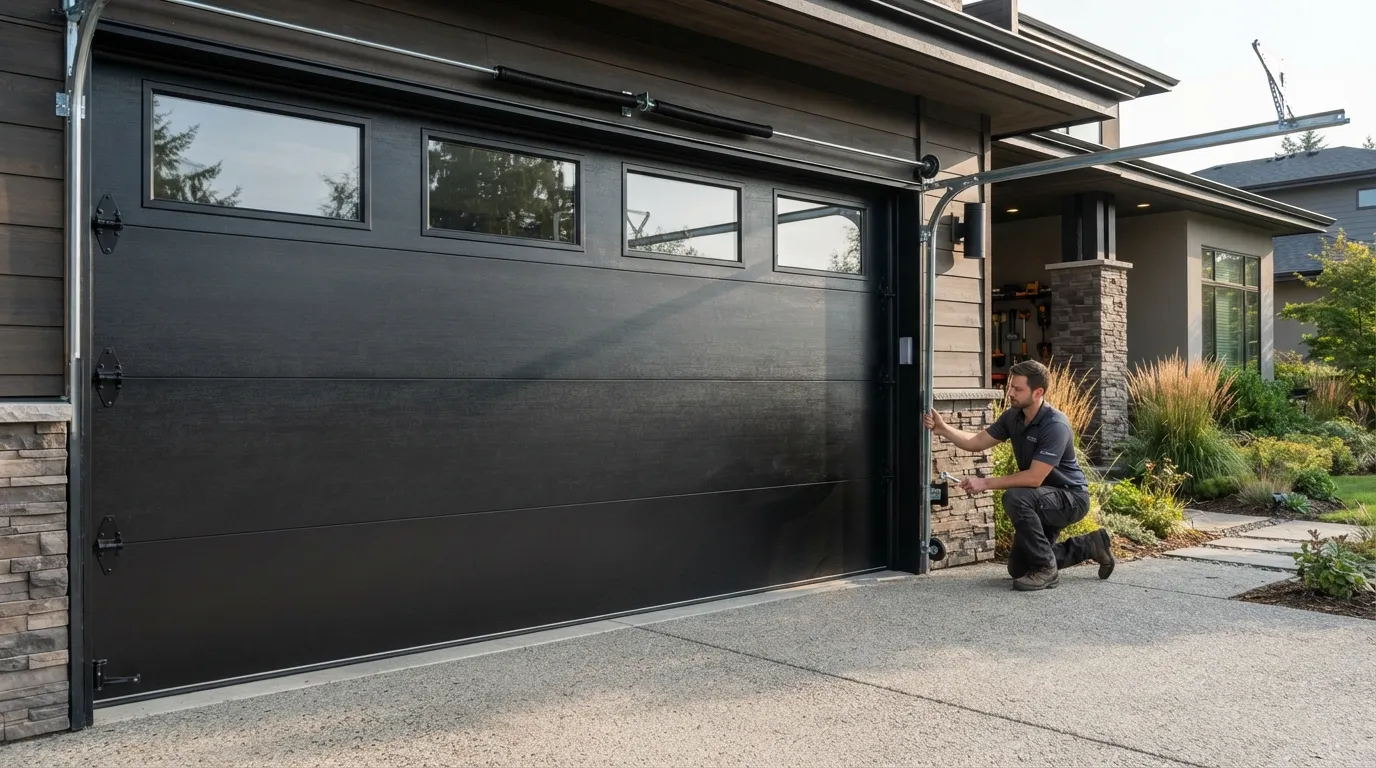
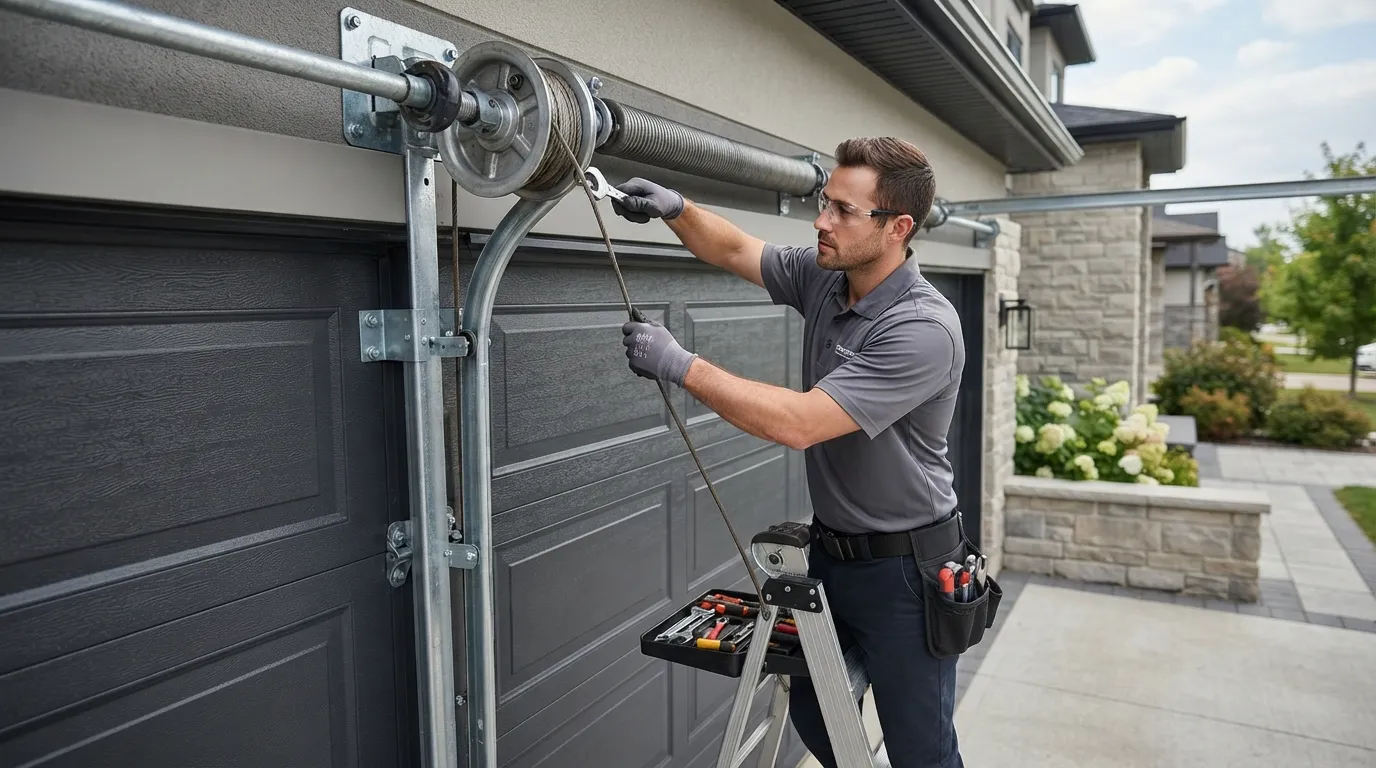
There isn't one flat repair price, because cable repair, off-track service, opener installation, roller replacement, complete door installation, and other jobs involve different parts and labor.
Door age, spring configuration, cable condition, roller wear, track condition, opener age, and decades of piecemeal hardware replacement can all change the repair scope.
Median household income across the broader service area runs around $80,135, but the price still comes from the door in front of us.
We diagnose the actual hardware mix on site and explain what is driving the price before work begins.
Older doors can combine newer openers with original tracks or other mismatched components, so the correct repair may require more than a simple one-part swap.
Repair or replace?
An older garage door is not automatically a replacement candidate. Repair remains practical when the structure is sound and the failure is isolated, while replacement becomes more sensible when tracks, framing, panels, or several major components are deteriorating together.
A targeted repair can make sense when the panels, tracks, opener, springs, and surrounding structure remain serviceable.
An older garage door can remain worth keeping when the structure is sound and compatible repair parts are still available.
Replacement can become more practical when matching track, panel, or other older hardware can no longer be sourced reliably.
If the track, frame, panels, or several major components can no longer hold reliable alignment, broader replacement can offer better long-term value.
What to expect
We start with what the door is actually doing, use the local hardware era as context, test the door under load rather than by appearance, and explain the repair before starting.
Tell us whether the door won't open, has come off track, a spring snapped, or the opener runs without moving the door. That symptom is the starting point.
Because much of the local housing dates from 1938 through 1987, we anticipate older spring, cable, roller, track, and opener configurations.
We check how the door actually moves rather than diagnosing only by appearance.
We explain what is wrong, what the repair costs, and whether the work is worth doing before the repair begins.
Older Parts Can Change the Timeline
Legacy hardware that is no longer commonly manufactured may require additional sourcing rather than an immediate one-visit repair.
Local housing matters
The broader source service area is dominated by homes built between 1938 and 1987, with a median build year around 1967 and much of the housing concentrated in the 1960s and 70s.
That creates a large number of garages with older torsion systems, tracks, rollers, cables, wood or steel doors, and replacement openers installed at different points over several decades.
The source references approximately 128,344 households across the broader area, including about 64,958 owner-occupied houses.
Some older homes may also have garages added or altered after the original house was built, so the garage hardware can reflect a different era than the rest of the structure.
The build year provides useful context, but the correct repair depends on the actual installed door and hardware.
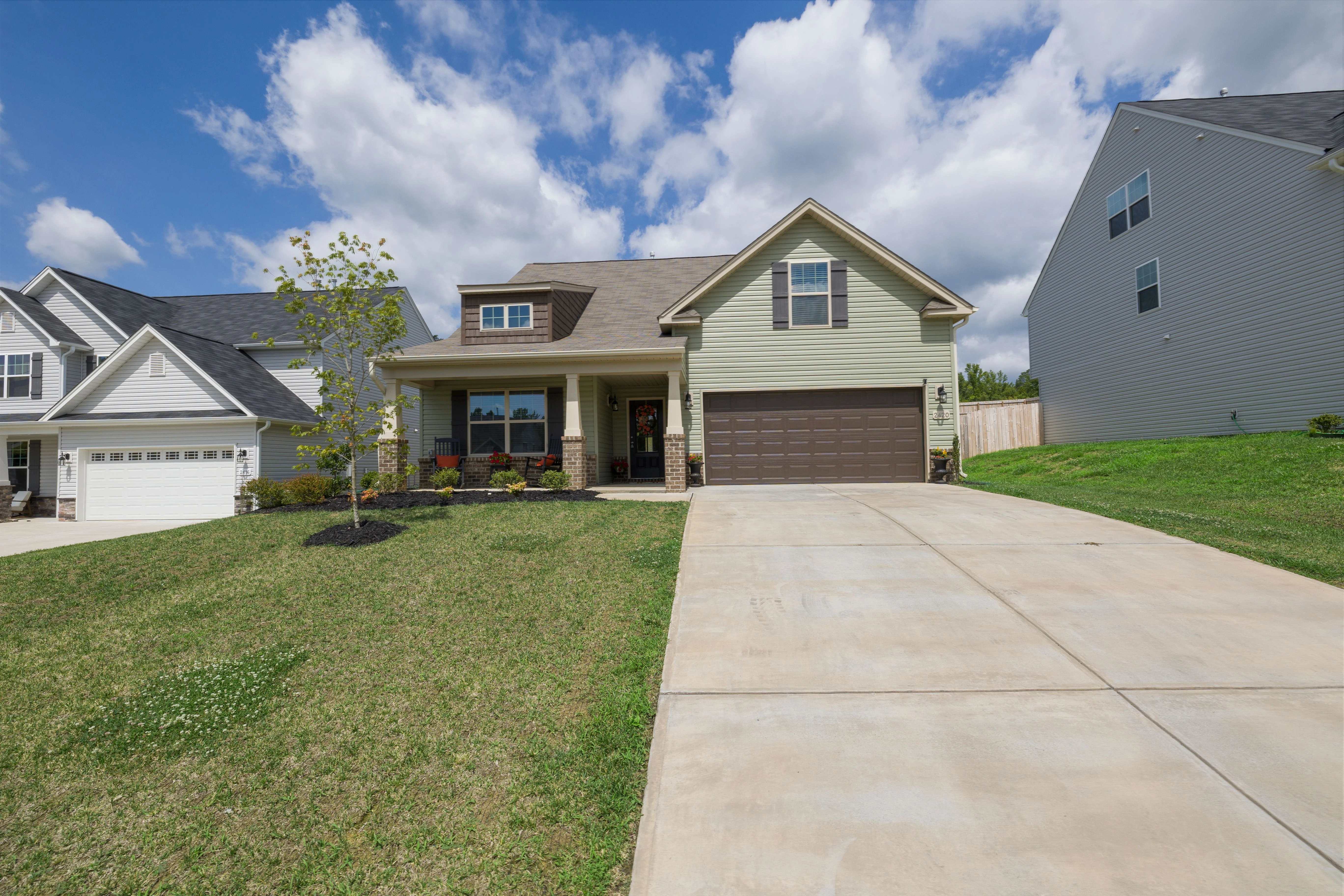
1960s–70s garage door systems
Homes concentrated around the 1960s and 70s can combine older torsion hardware, original tracks, replacement openers, worn rollers, legacy cables, and several generations of repair work.
A newer opener can be mounted to much older tracks, springs, cables, rollers, or door panels.
Older doors can require different spring sizing and replacement hardware than newer residential systems.
Some older houses can have garage doors or attached garages added after the original construction, creating hardware that does not match the home's build year.
Older track, spring, cable, and roller specifications may differ from current off-the-shelf components.
Cold-weather garage door wear
Rochester sits in a severe cold climate, so winter operation tends to expose existing spring fatigue, roller resistance, cable wear, lubrication, track, and balance problems rather than freeze-thaw conditions alone causing mechanical failure.
Cold-weather operation can expose weakness in a spring that is already approaching the end of its useful cycle life.
Existing cable wear can become more significant when the lifting system is already under strain from aging components.
Worn rollers or marginal track alignment can become more noticeable when an older door is already moving with added resistance.
An opener can work harder when springs, rollers, tracks, or balance problems are already making the door difficult to move.
Common Rochester garage door problems
Broken springs, frayed cables, worn rollers, aging opener components, off-track doors, and mixed-generation hardware make up much of the work across Rochester's older housing stock. Broken torsion springs are a recurring need across older area doors; cables fray or jump the drum, sometimes alongside a spring problem that has already affected the lifting system; rollers wear after years of travel on original or older tracks, particularly on doors that never had the roller hardware updated; and openers strain when the door itself is difficult to lift, so the motor should not automatically be assumed to be the root cause — while on the newer end of the range, opener electronics and sensor alignment become more common service issues.
Garage door springs eventually reach the end of their useful cycle life after years of repeated opening and closing.
Cables can fray, loosen, slip, or jump the drum after years of carrying repeated lifting loads.
Older rollers can become noisy, rough, damaged, or resistant after years of regular track travel.
Cable problems, roller wear, impact, or alignment issues can leave a door shifted or unable to travel safely in its tracks.
Older opener motors, logic boards, gears, sensors, controls, and drive components can eventually develop operating problems.
Built around Rochester garage doors
Rochester's older housing stock means two similar-looking garages can use very different springs, rollers, tracks, cables, openers, and mounting hardware depending on decades of previous repairs.
Spring dimensions, door weight, cable layout, roller type, track condition, and opener hardware should be checked directly.
A previous owner may have replaced one component while leaving decades-old surrounding hardware in place.
If one component is the actual failure and the structure remains sound, complete replacement isn't the default.
If an older track, spring, or other component is no longer readily available, the repair path should reflect actual parts availability rather than a workaround that may not hold.
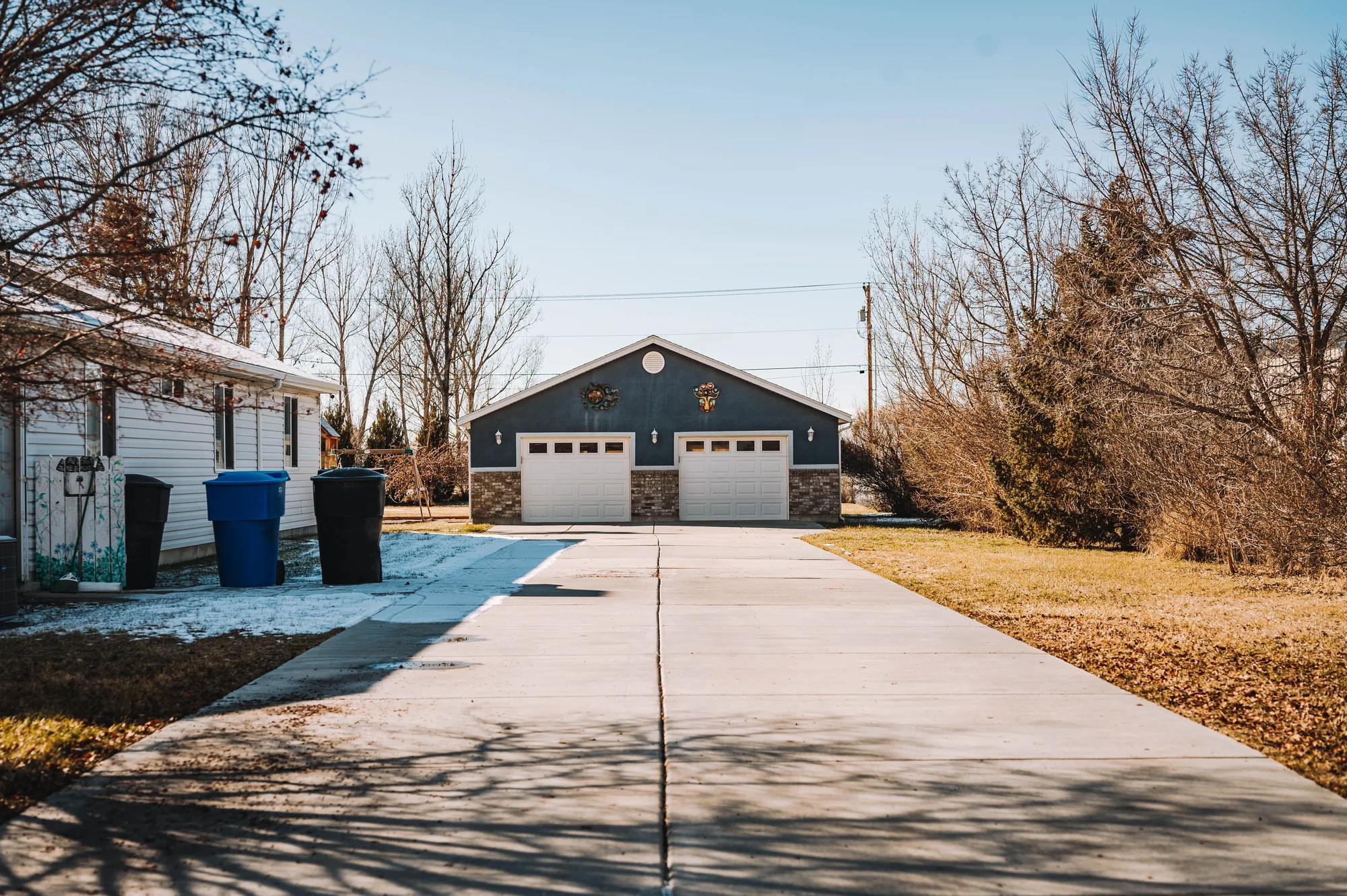
Service areas
Questions
Most housing here was built between 1938 and 1987, with a lot concentrated in the 1960s and 70s. Torsion springs have a rated cycle life, and a large share of doors installed in that window are aging out together, especially with severe cold-climate cycling adding fatigue.
Yes. We cover the city and the surrounding towns and neighborhoods, from Downtown out to areas like Irondequoit, Gates, Brighton, Greece, Pittsford, Henrietta, Fairport, Webster, and further towns out to around eighteen miles.
Sometimes. If a door's track or frame has warped from years of freeze-thaw cycling, or if the hardware is old enough that we can't source a matching part, patching it won't hold. We'll tell you on the first visit if replacement is the more honest answer.
Cost depends mostly on the door's age and hardware mix, since a lot of houses here have had parts swapped over decades. We diagnose on site, tell you what's driving the number, and won't push a replacement when a repair is the right call.
Ready when you are
Tell us what the door is doing and we'll help you figure out whether you're dealing with a cable, roller, track, off-track door, opener issue, installation need, or an older system that's reached the point where replacement makes more sense.