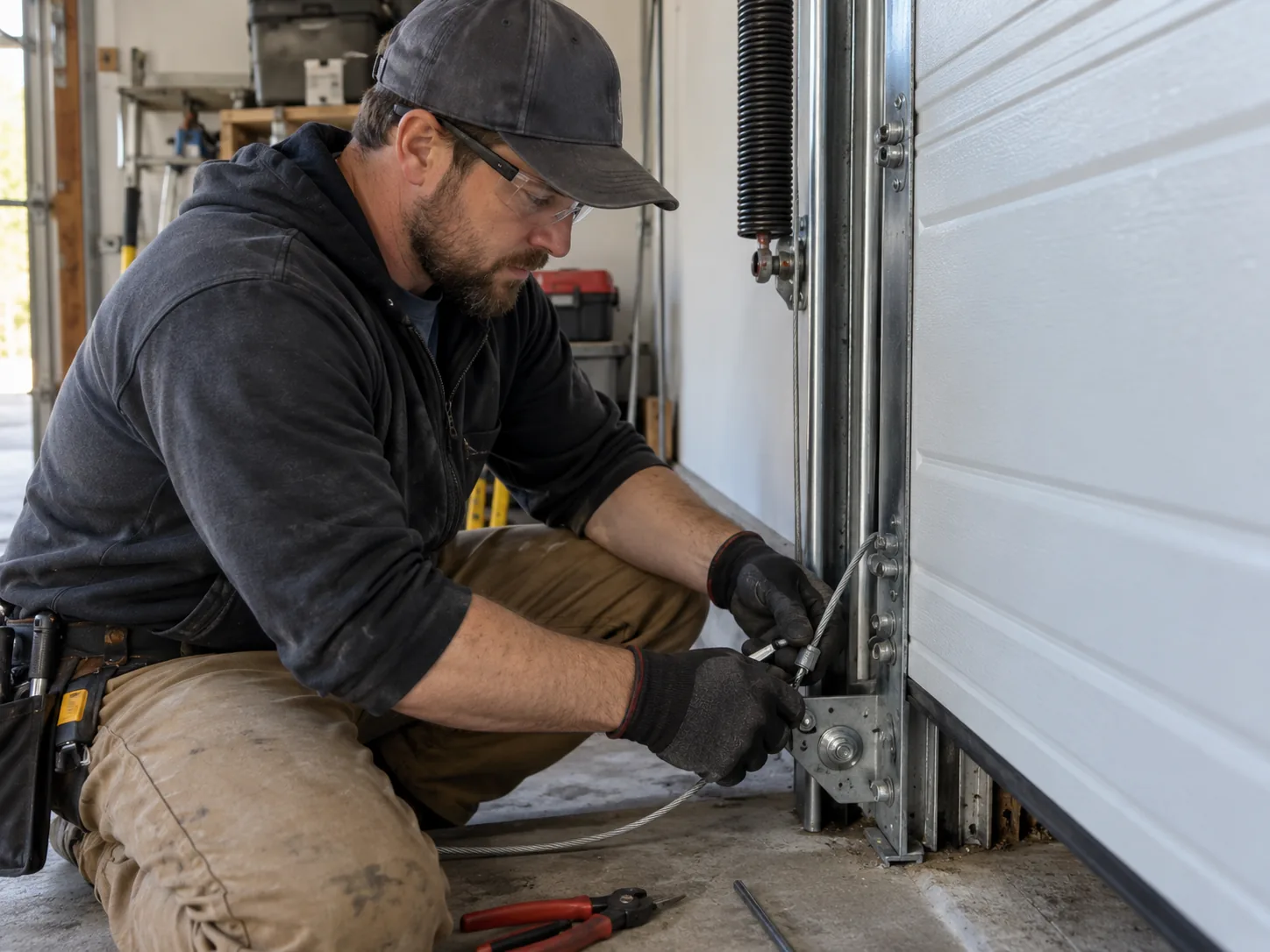
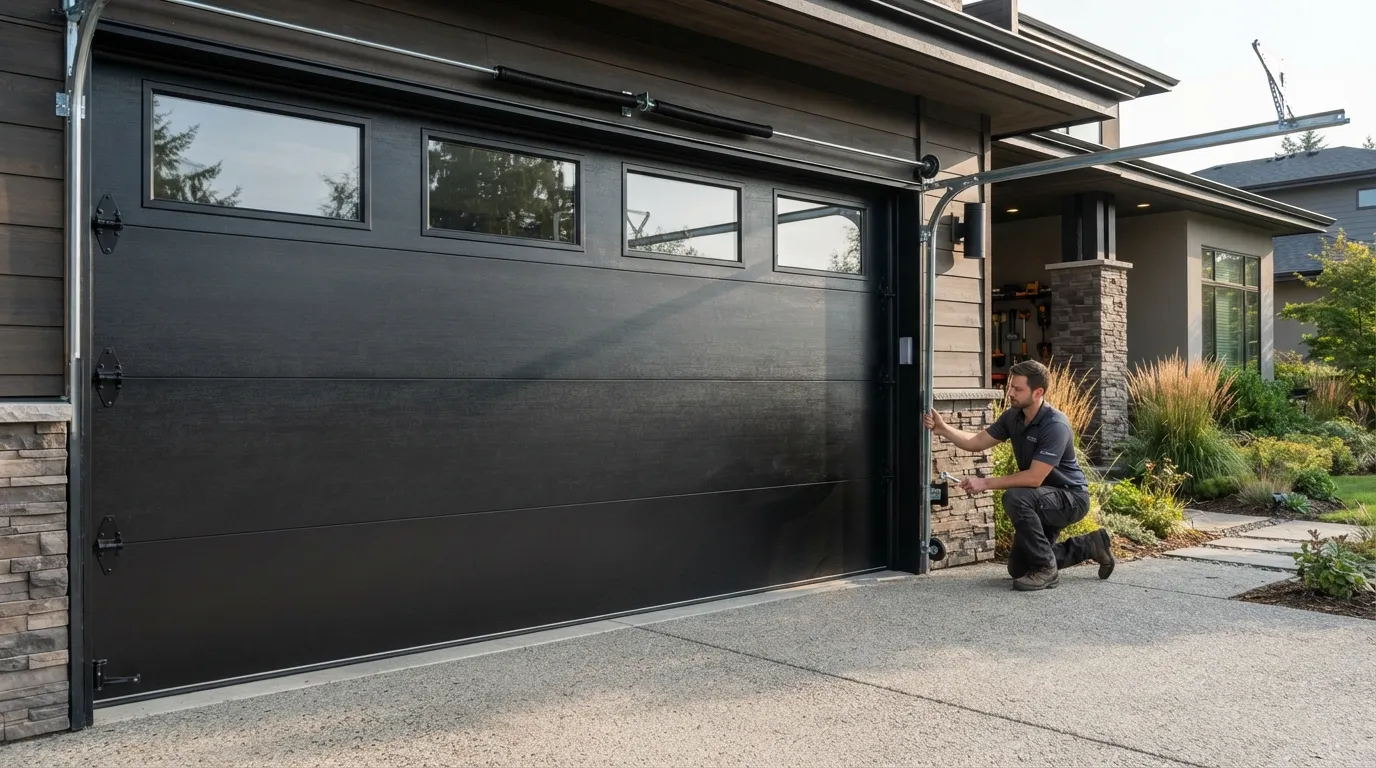
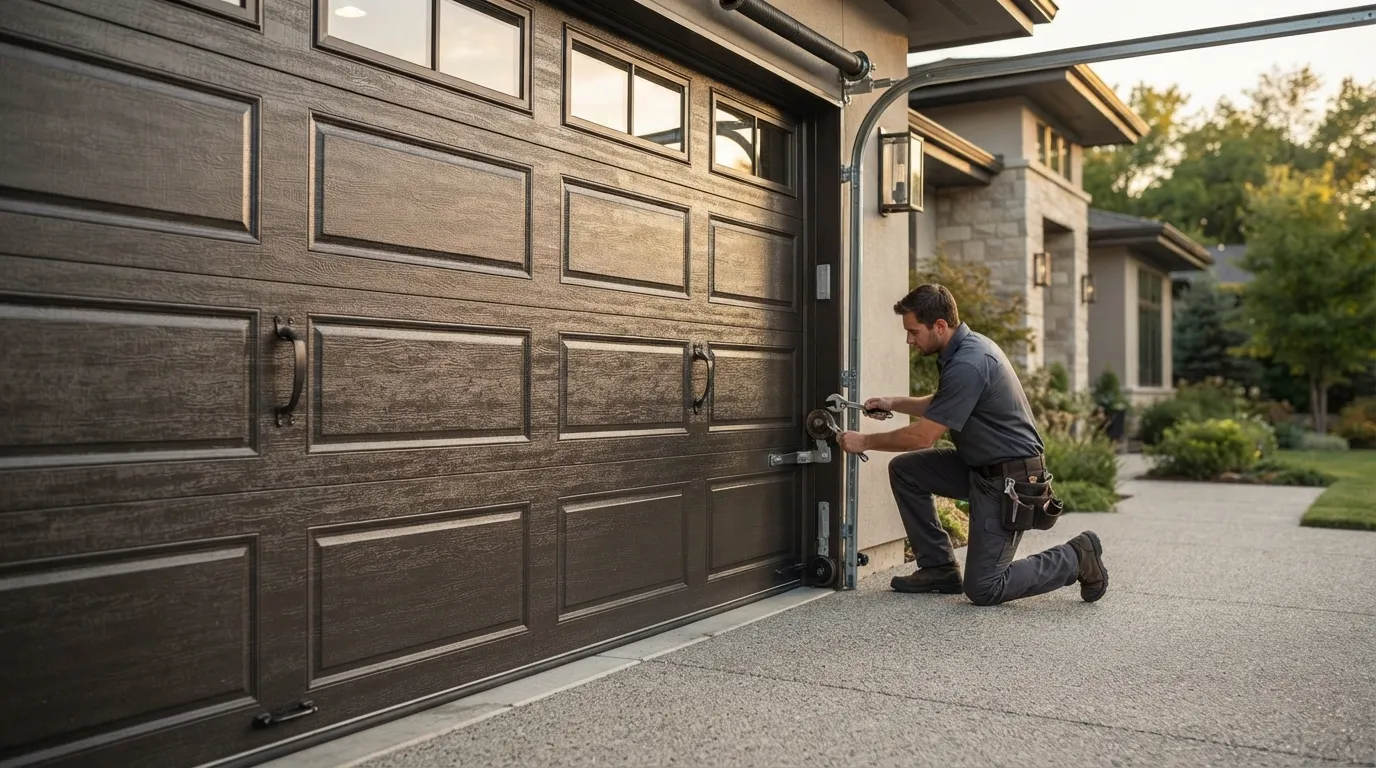
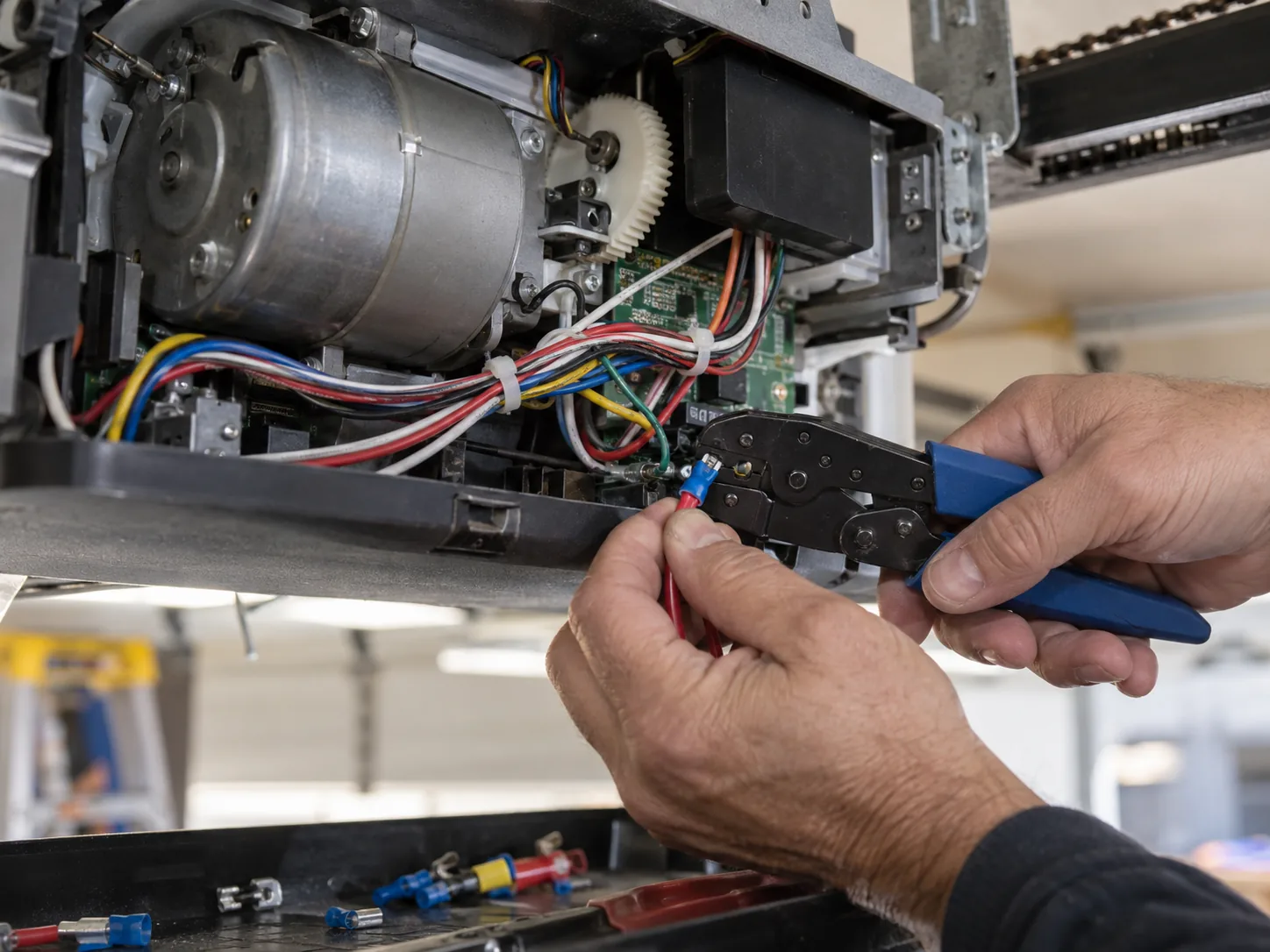
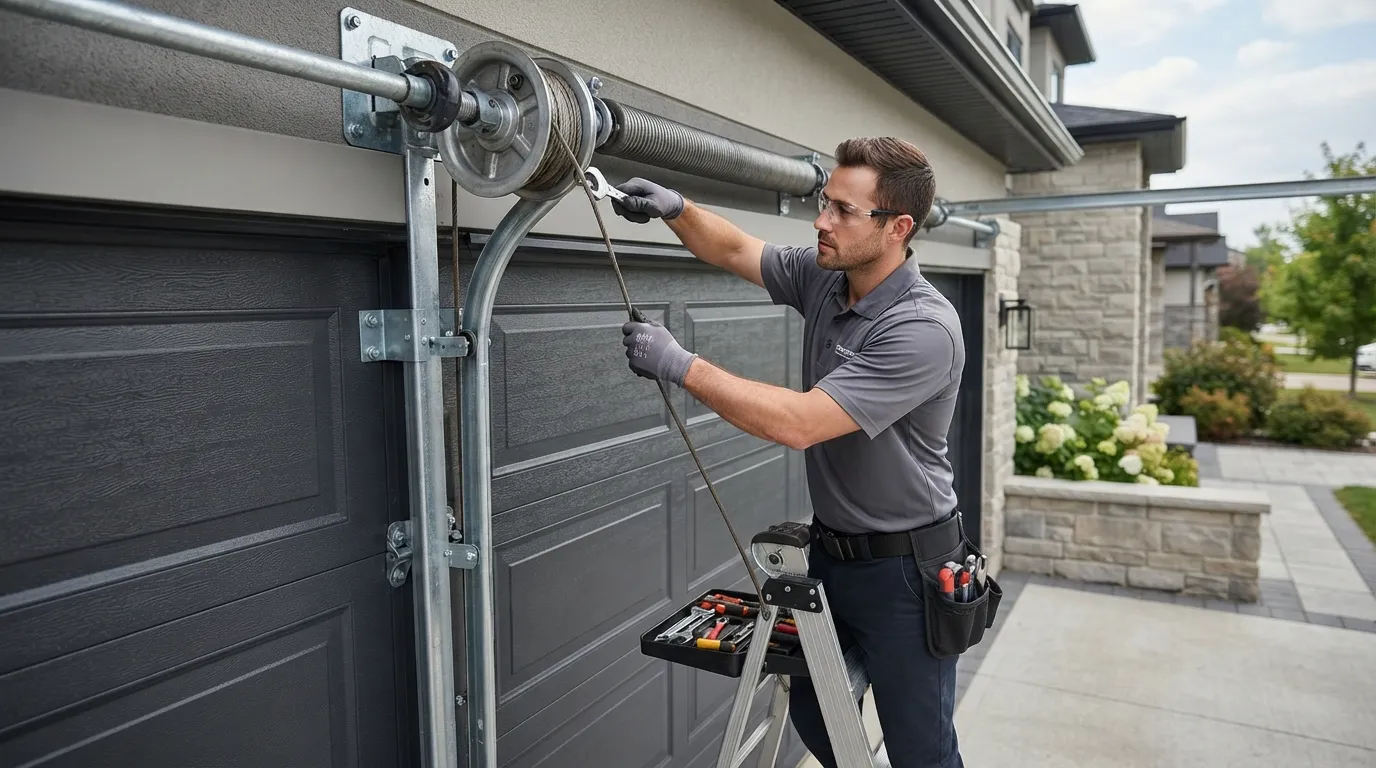
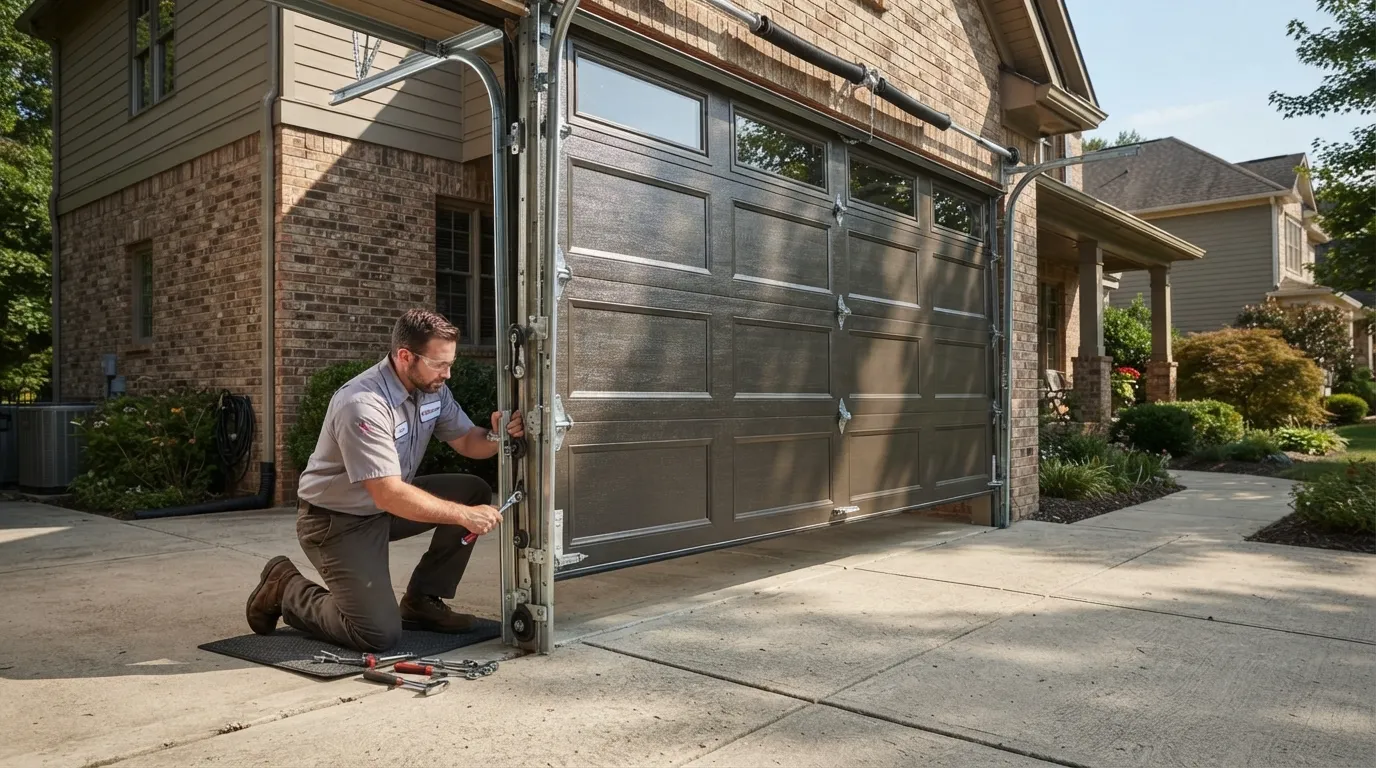
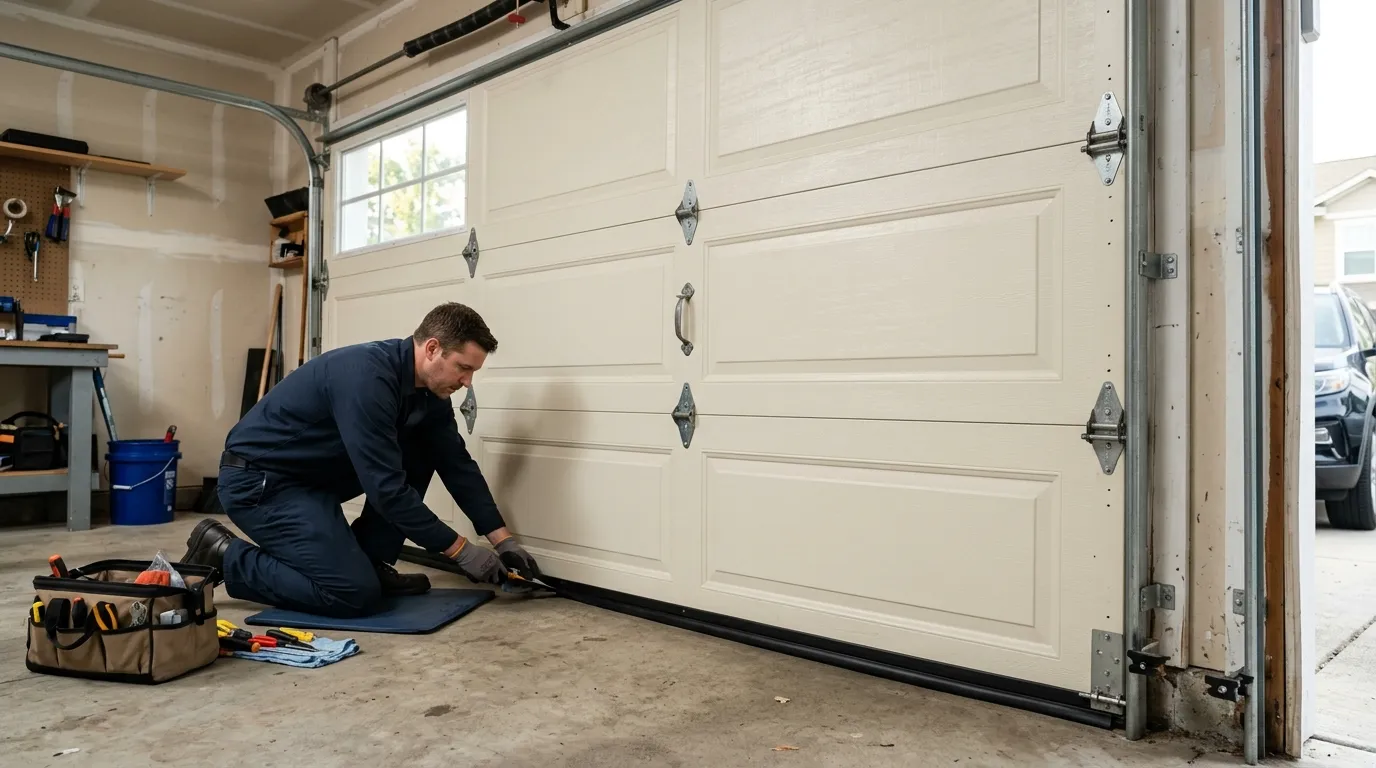
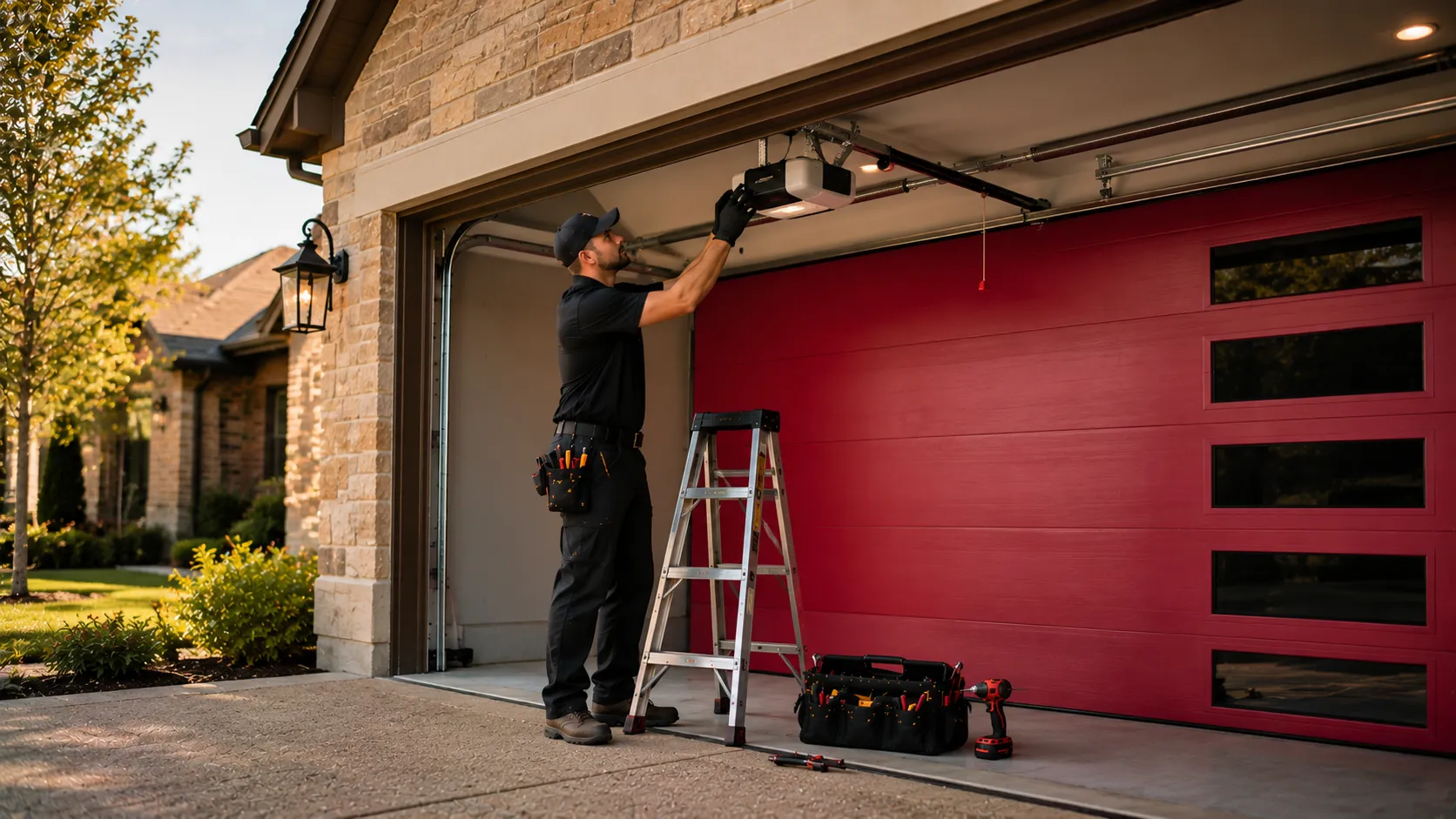
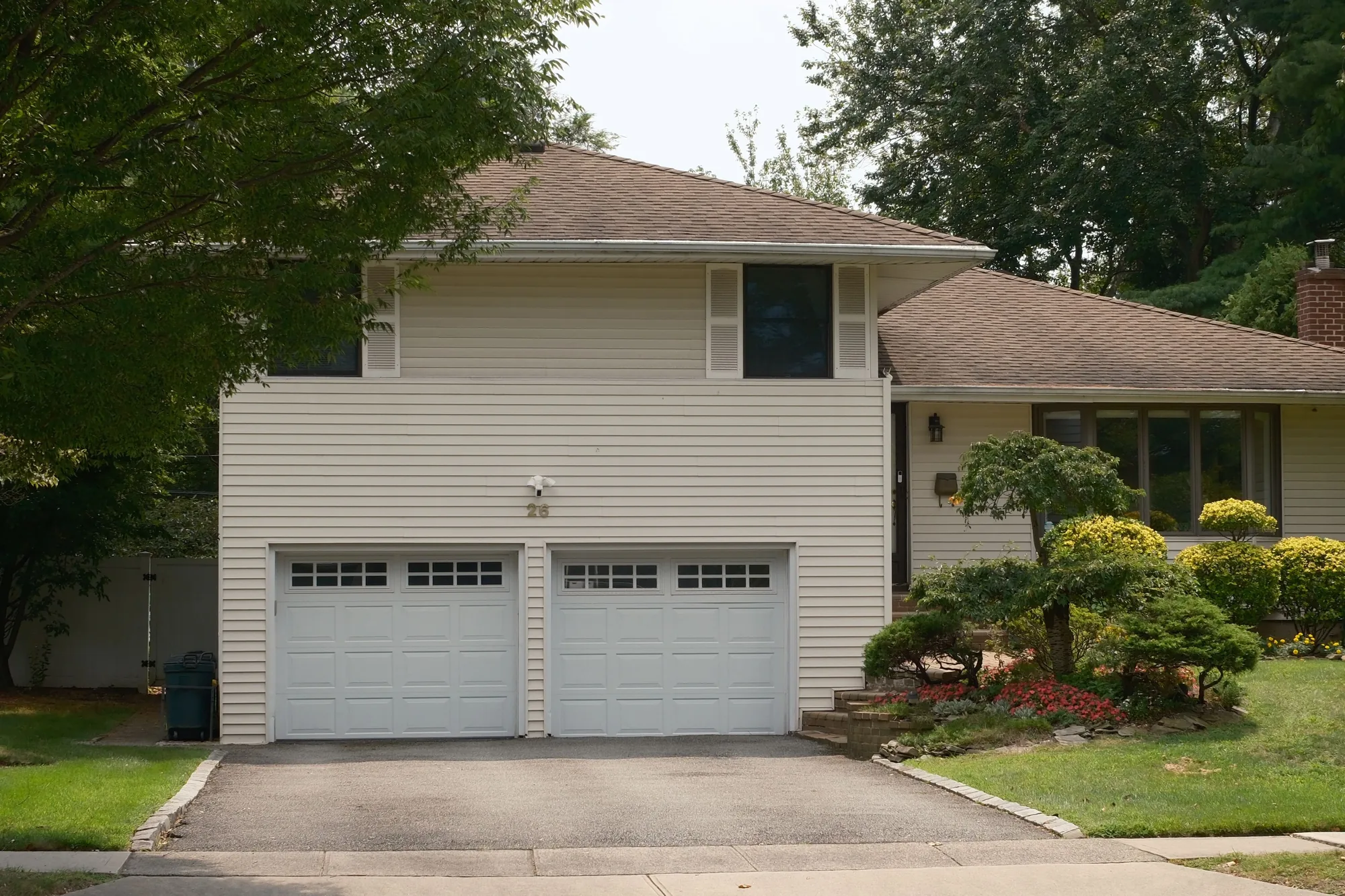
A lot of the doors we see sit in that 1938-1987 window, and plenty of the neighborhoods on our list - the 32 areas we travel to from Rochester - skew even more specifically 1960s and 70s. That means original one-piece doors, older extension-spring setups, and track hardware that hasn't been made in decades. When a spring goes on one of these and the drum or the track is also worn, patching the spring alone just moves the next failure a few months down the road.
Here's the honest limit: if the door itself is original to a 1960s house and the panels are rusted through or the track is bent from age rather than an impact, we're not going to sell you a spring replacement and call it done. At that point a repair costs real money and buys you a door that's still failing in other ways. Replacement makes more sense, and we'll say so.
On the other hand, a newer door with one bad spring or a broken cable is usually a straightforward fix, and we don't push replacement on those just because the house is old. The age of the neighborhood tells us what to expect before we even get there, not what to sell.