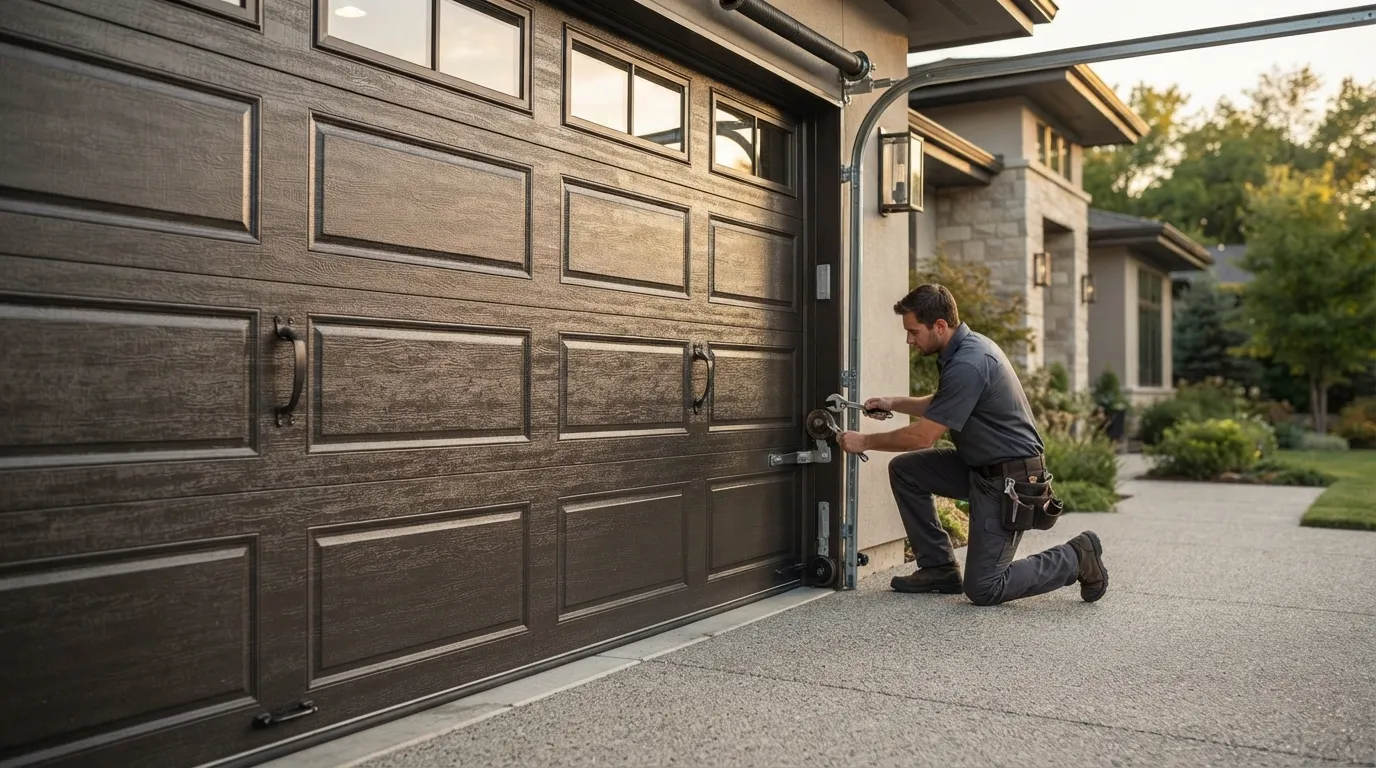
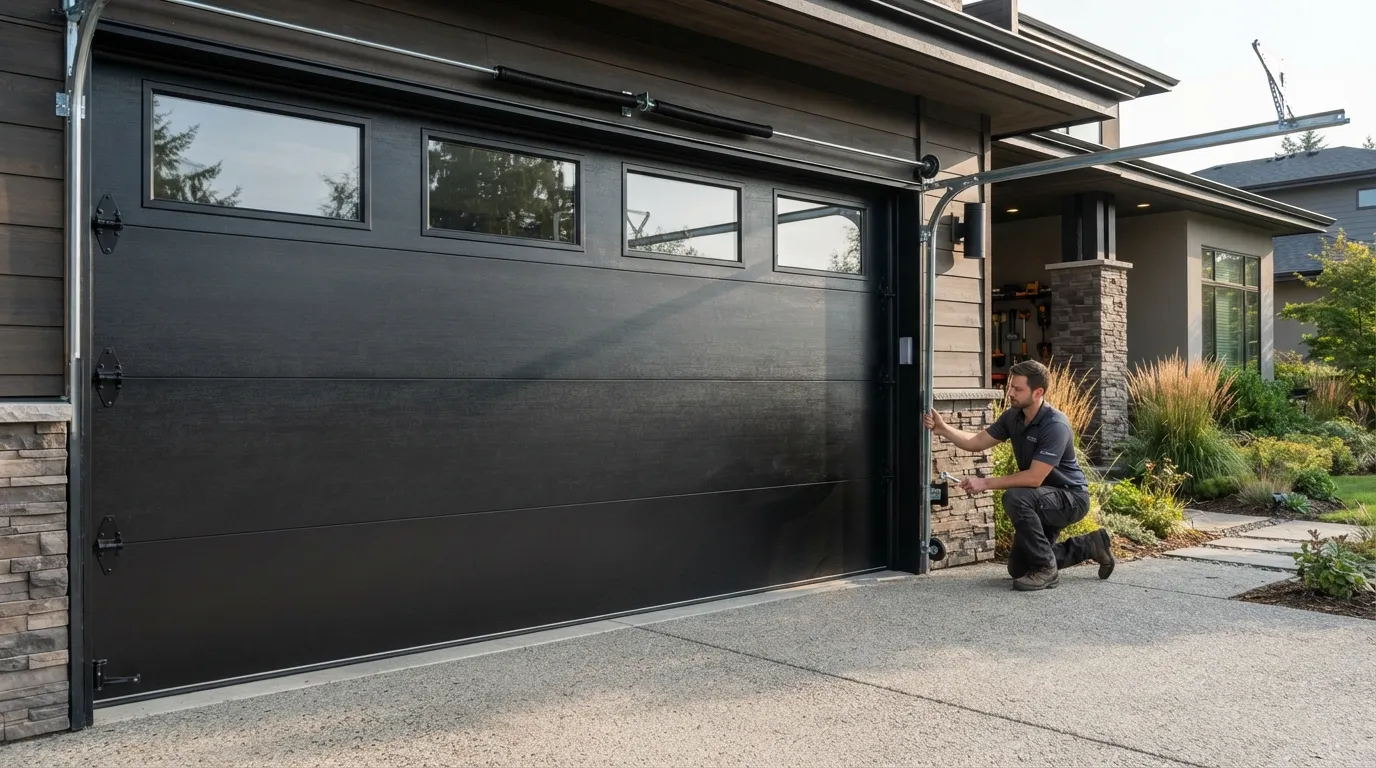
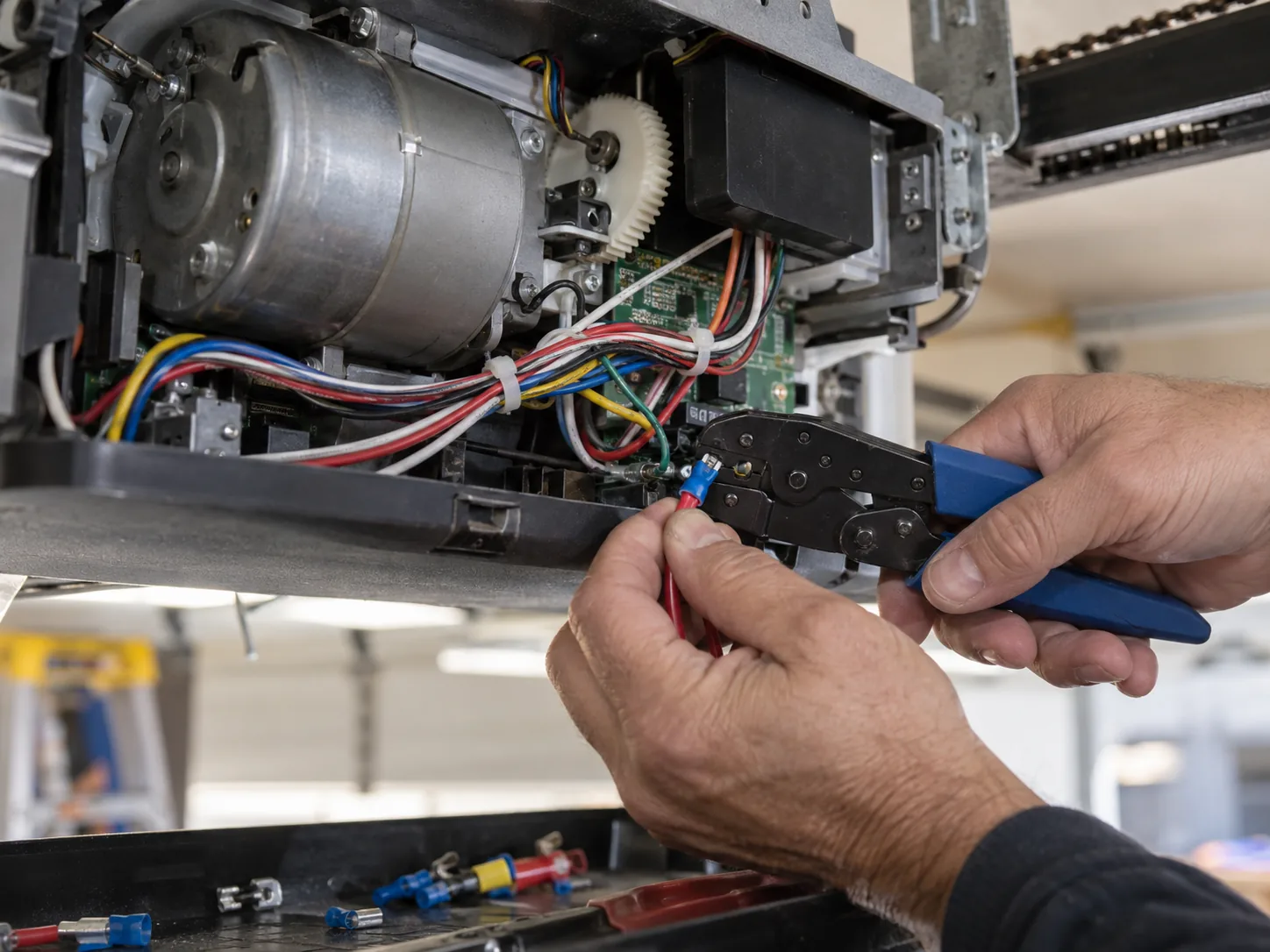
Most of the doors we get called on sit in houses built between 1938 and 1987, with the median close to 1967. That's a specific window - it means original torsion or extension spring setups, older track gauges, and hardware that was matched to a door twenty, thirty, sometimes fifty pounds lighter than what's on the opening today. Across the 32 named pockets of this service area, from Group 14621 to Maplewood Historic District to the Lyell-Otis side of town, that 1960s-70s housing stock shows the same wear pattern because it went up in the same few decades under the same building practices.
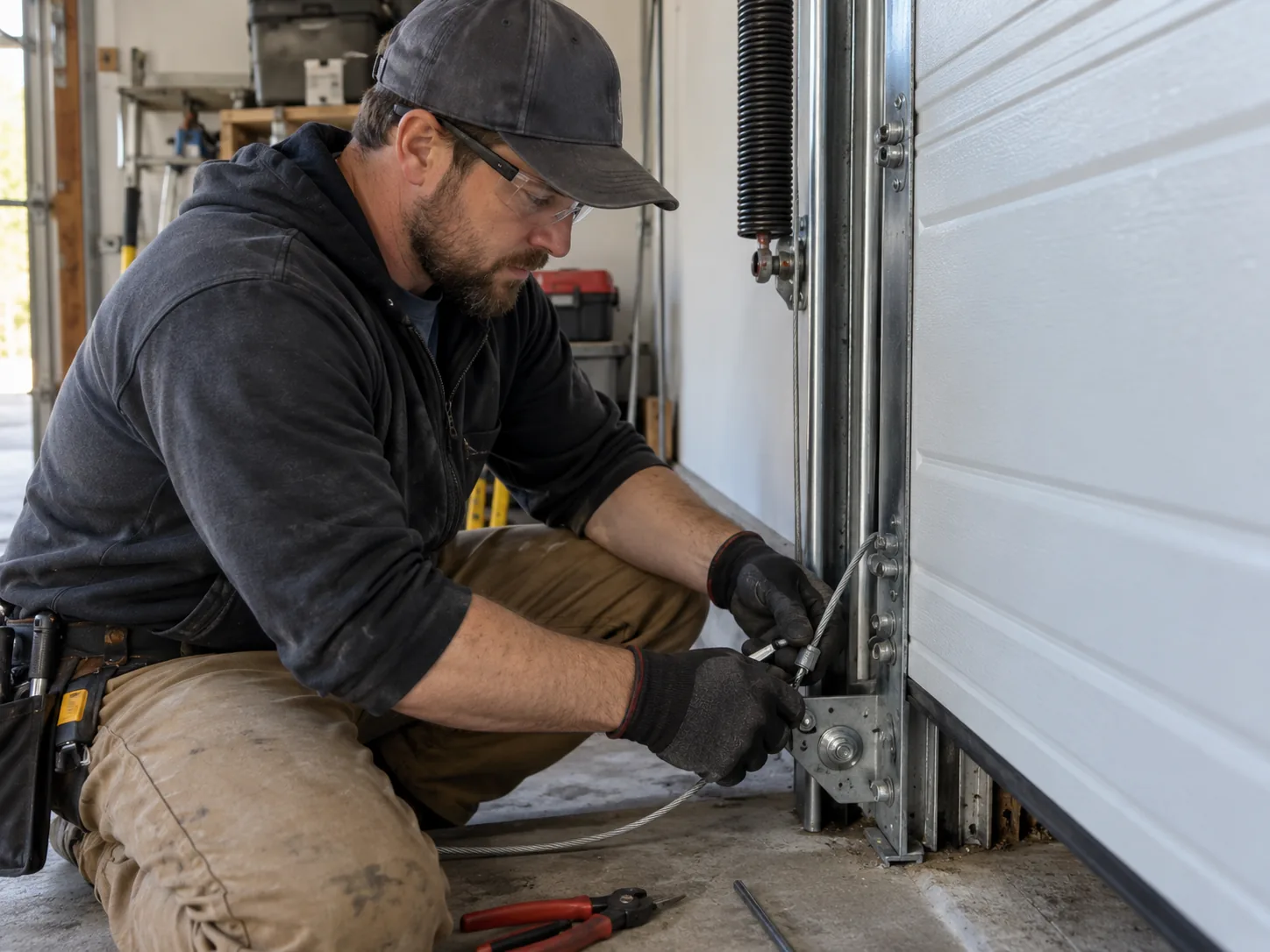
Then there's the winters. Rochester sits in a cold climate band the federal data marks as severe, and that matters more than people think. Steel spring wire fatigues faster with repeated hard freezes and quick thaws - the metal contracts, the coil tightens, and a spring that had another year left in a milder climate snaps here instead. Track brackets shift slightly as the slab and framing move with frost. None of this is dramatic on its own. It's cumulative, and it lands hardest on doors that are already near the end of a normal service life because of when the house was built.