
Brighton, Rochester NY
Garage Door Service for Brighton's Older Housing Stock
Brighton homes mostly date to 1959, older than the Rochester-area median of 1967. That earlier build year means different hardware and different failure points on the door.
Local detail
The Split Between Old and New
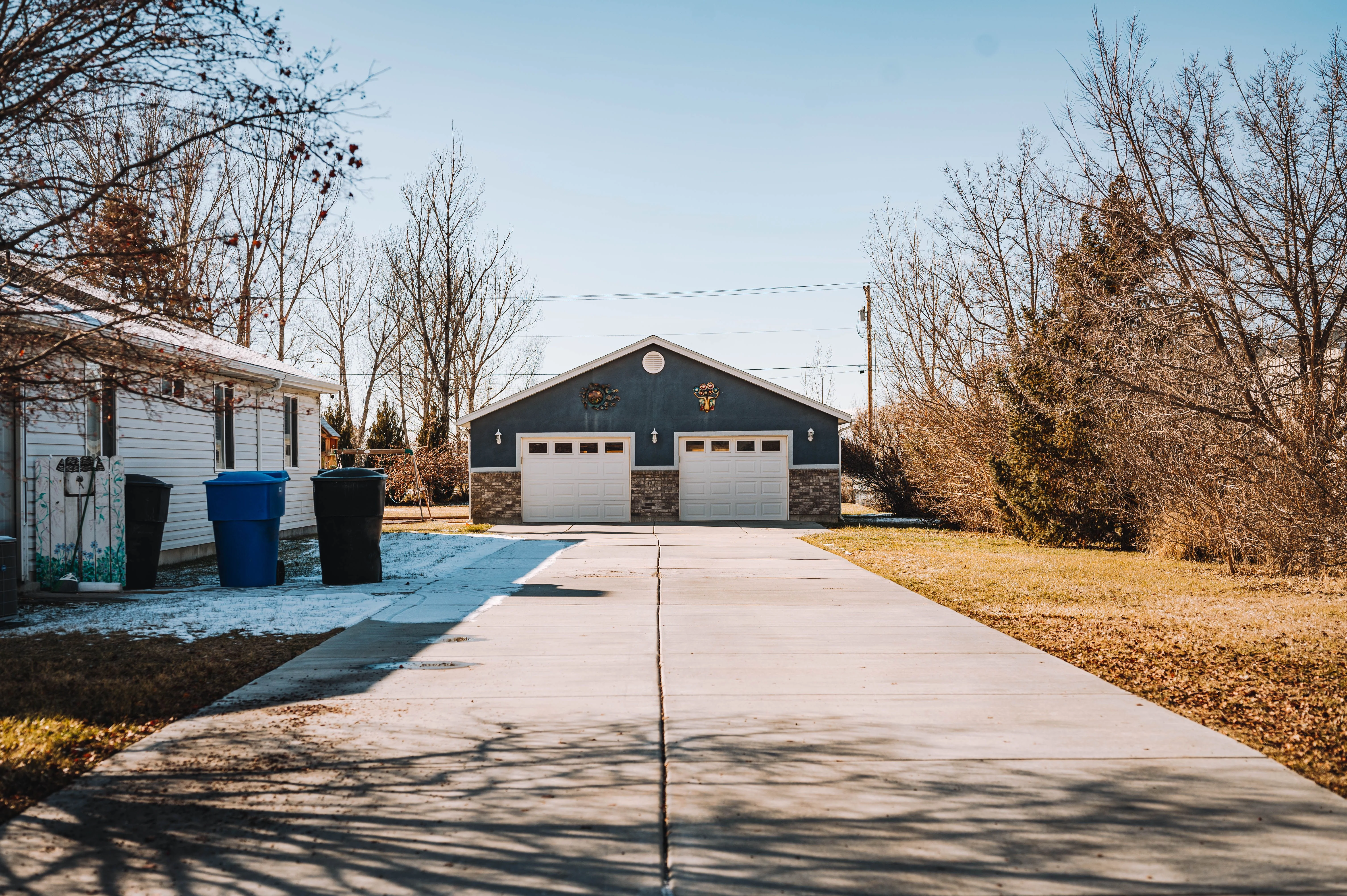
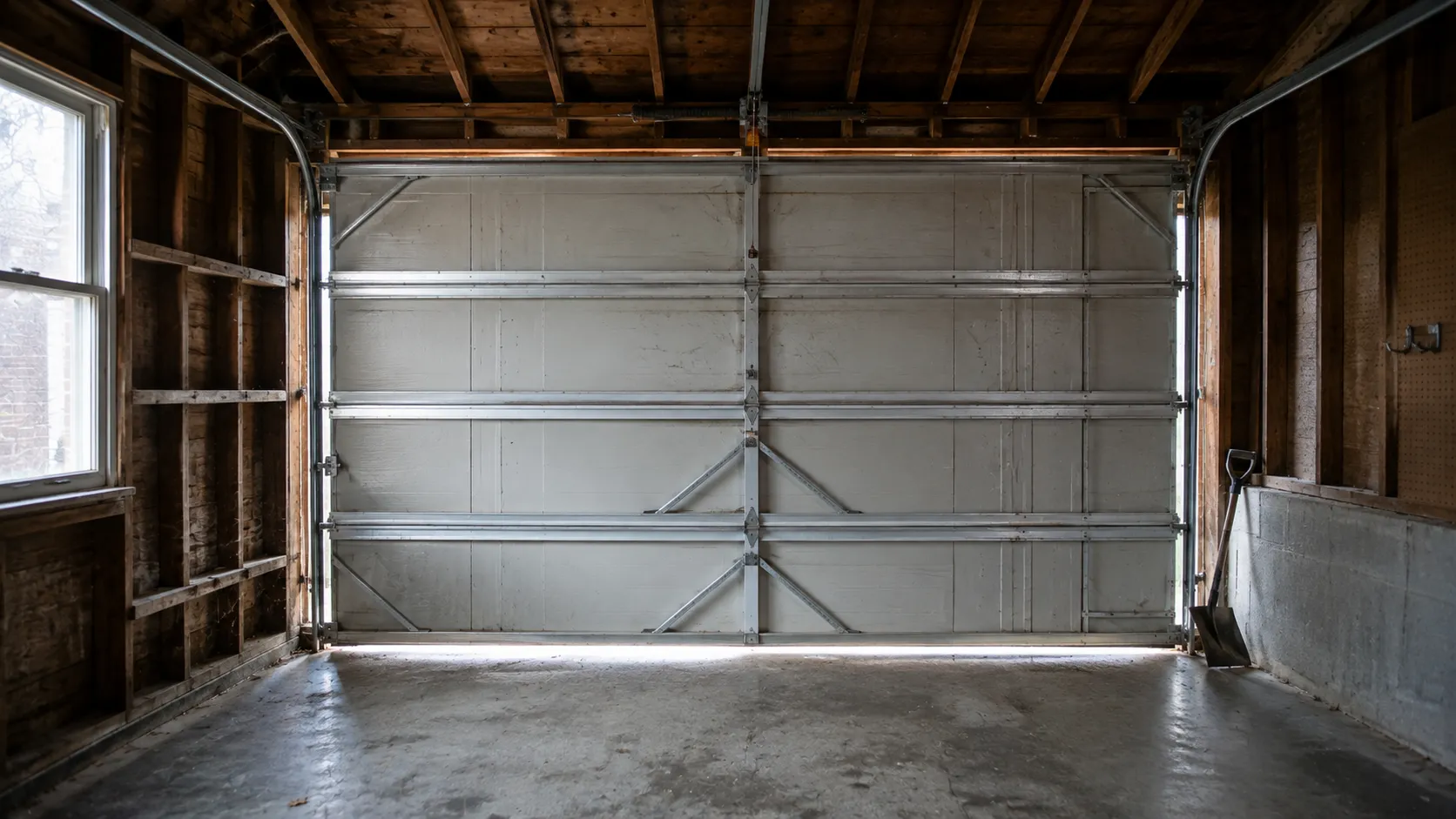
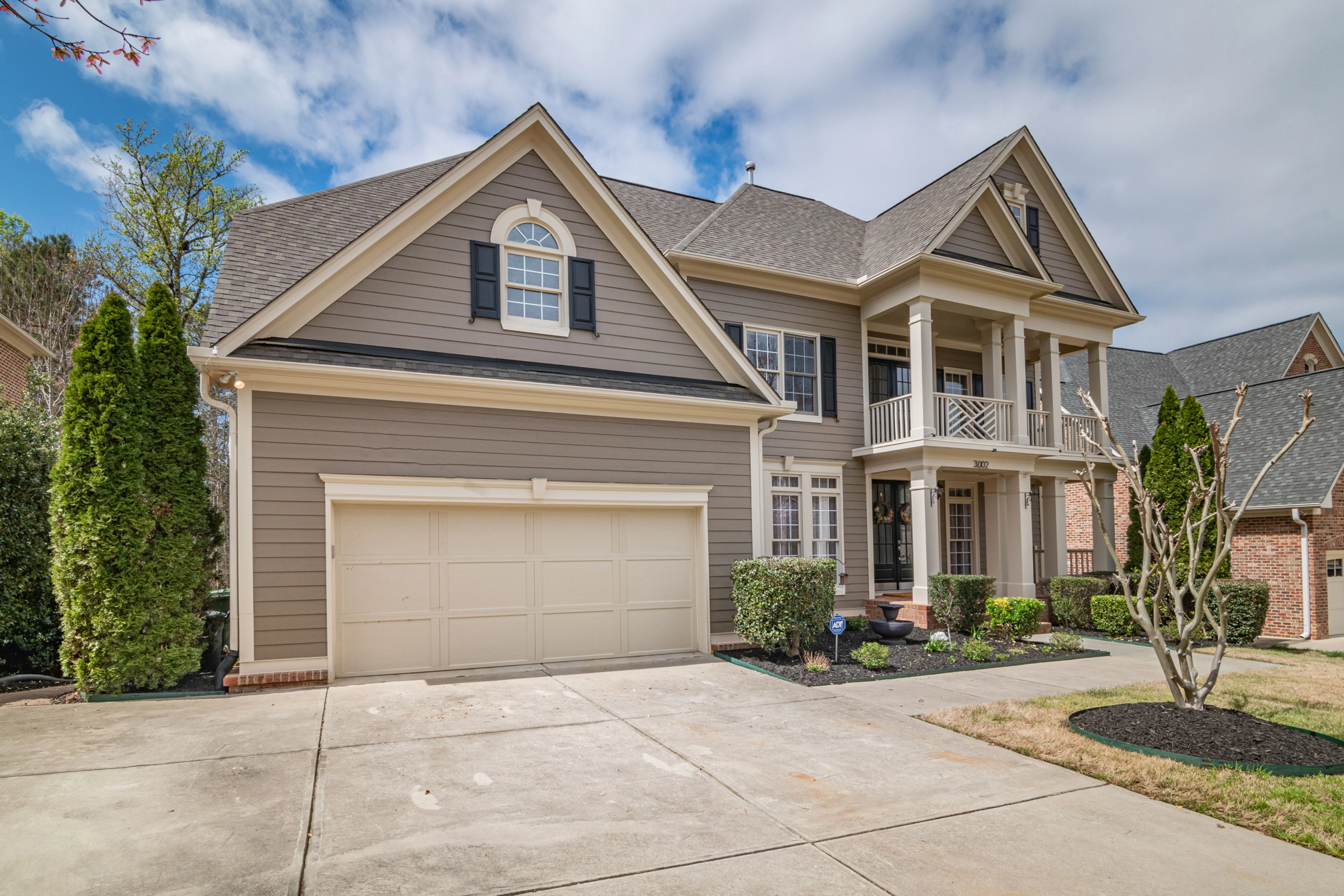
Brighton's median home was built in 1959, a good eight years ahead of the 1967 median for the wider Rochester service area covered under F1. That gap matters more than it sounds like it should. A house built in the late 1950s was framed before steel sectional doors were the default choice, and a lot of those openings still carry hardware from a retrofit done decades ago rather than an original install matched to the house. We see this constantly in Brighton: a door that looks like a straightforward panel swap turns out to have a jamb built for a narrower track, or header clearance that was never meant for a modern opener bracket.
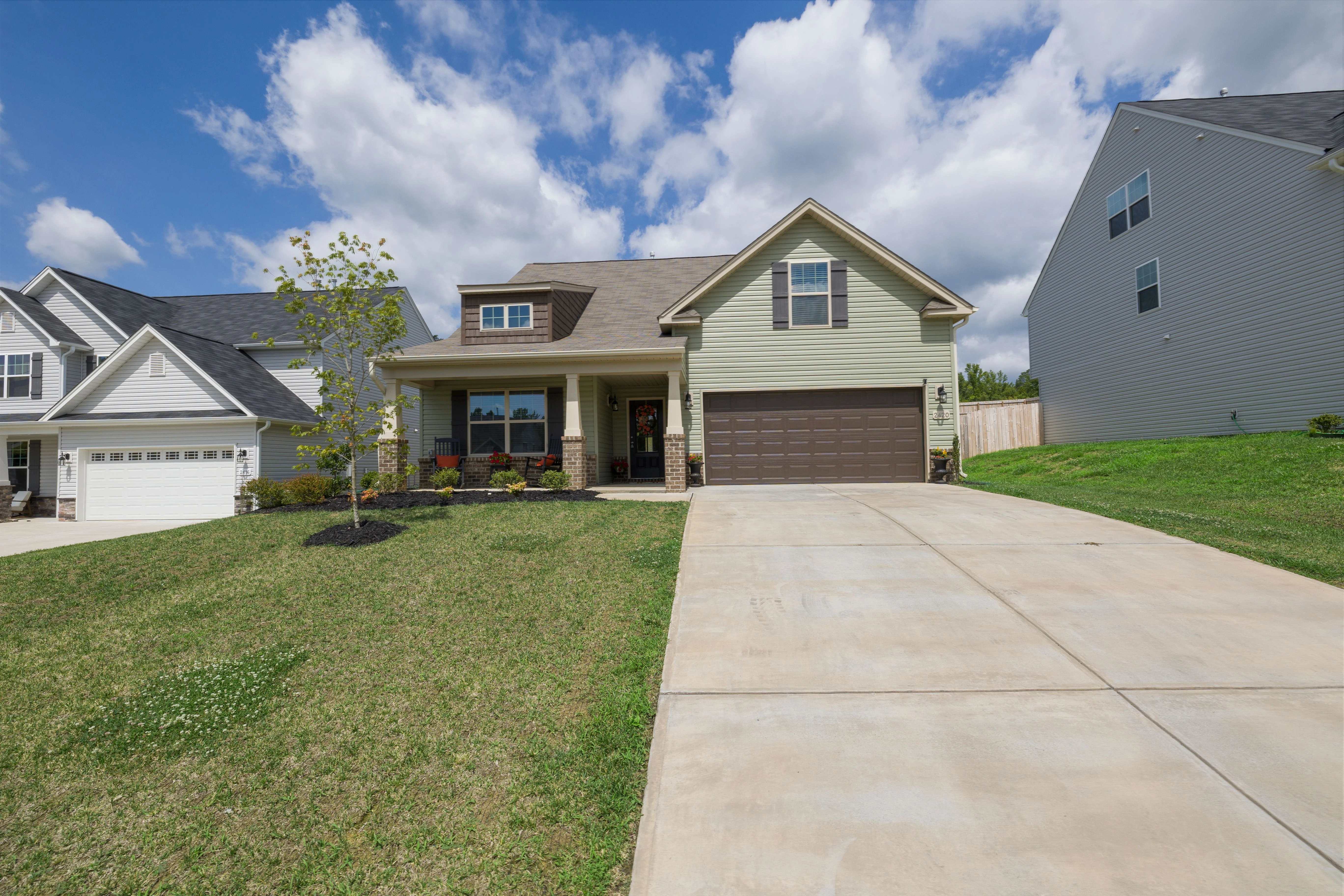
It's not a knock on the neighborhood - it's just what happens when a town's housing predates the equipment we now install by default. Newer developments elsewhere in the service area don't have this problem nearly as often, because their openings were built with today's standard door sizes and torsion setups already in mind. In Brighton, we plan for the mismatch before we quote the job, not after we've pulled the old door off the frame.
The area
What We Do Most in This Area
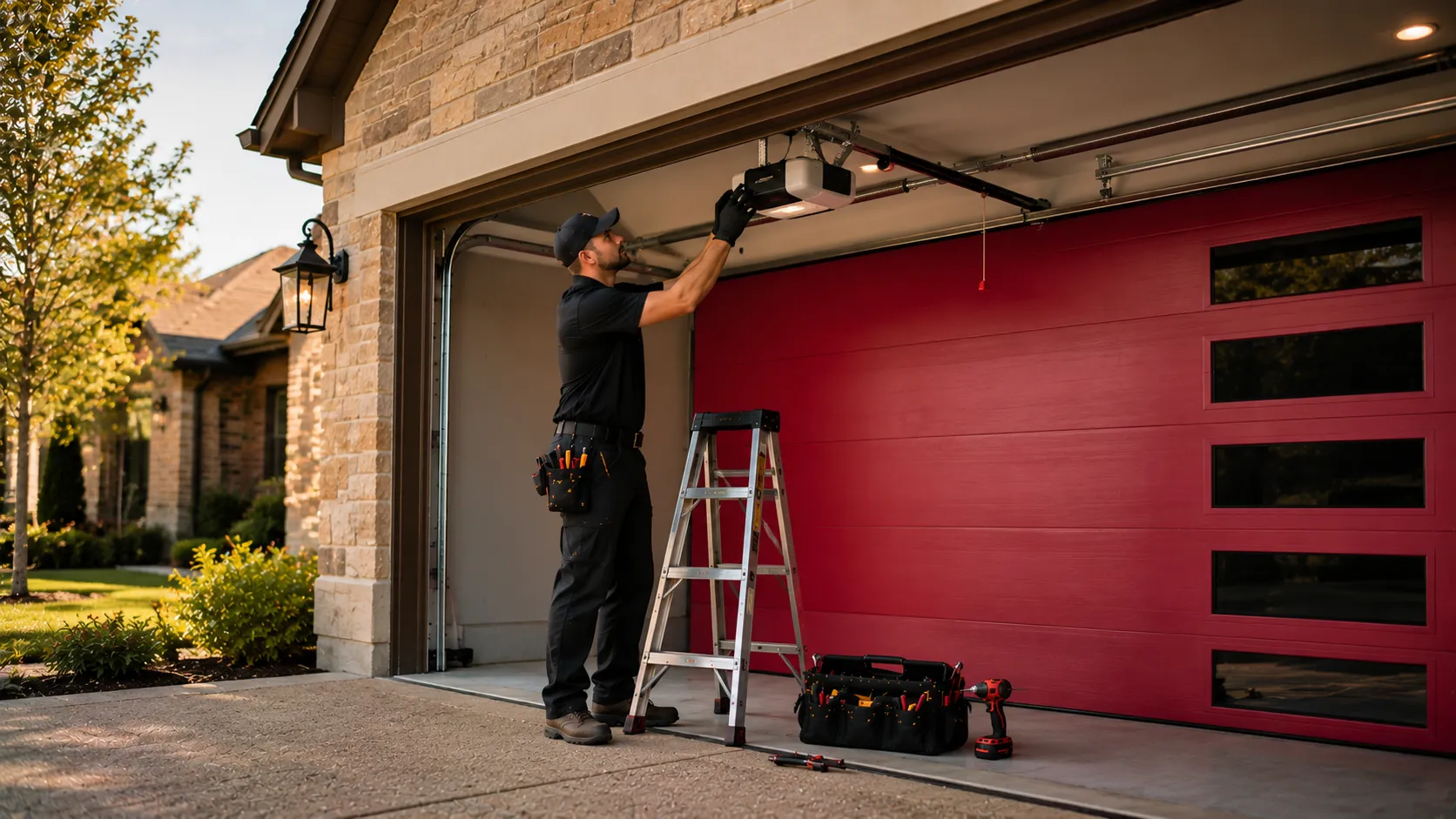
Given the 1959 median build year, the bulk of our Brighton calls are torsion spring replacements and hardware swaps on doors that were converted from the original setup at some point in the house's life. We're traveling in from Rochester, about 4 miles out, so we're not sitting in Brighton with a truck parked and waiting - we schedule the trip based on what the call needs. Cold-band winters put real stress on springs and cables regardless of a house's age, but on Brighton's older openings that stress lands on hardware that's already outlived its rated cycle count.
We also get a fair number of opener upgrade calls here, since a house from this era is more likely to still be running a unit installed well before current safety-reversal standards existed. What we don't do is pretend every old door needs full replacement - plenty of these openings just need the track re-aligned and the spring matched correctly to the door weight, which is a repair, not a remodel.
What we find
How That Shows Up in the Door
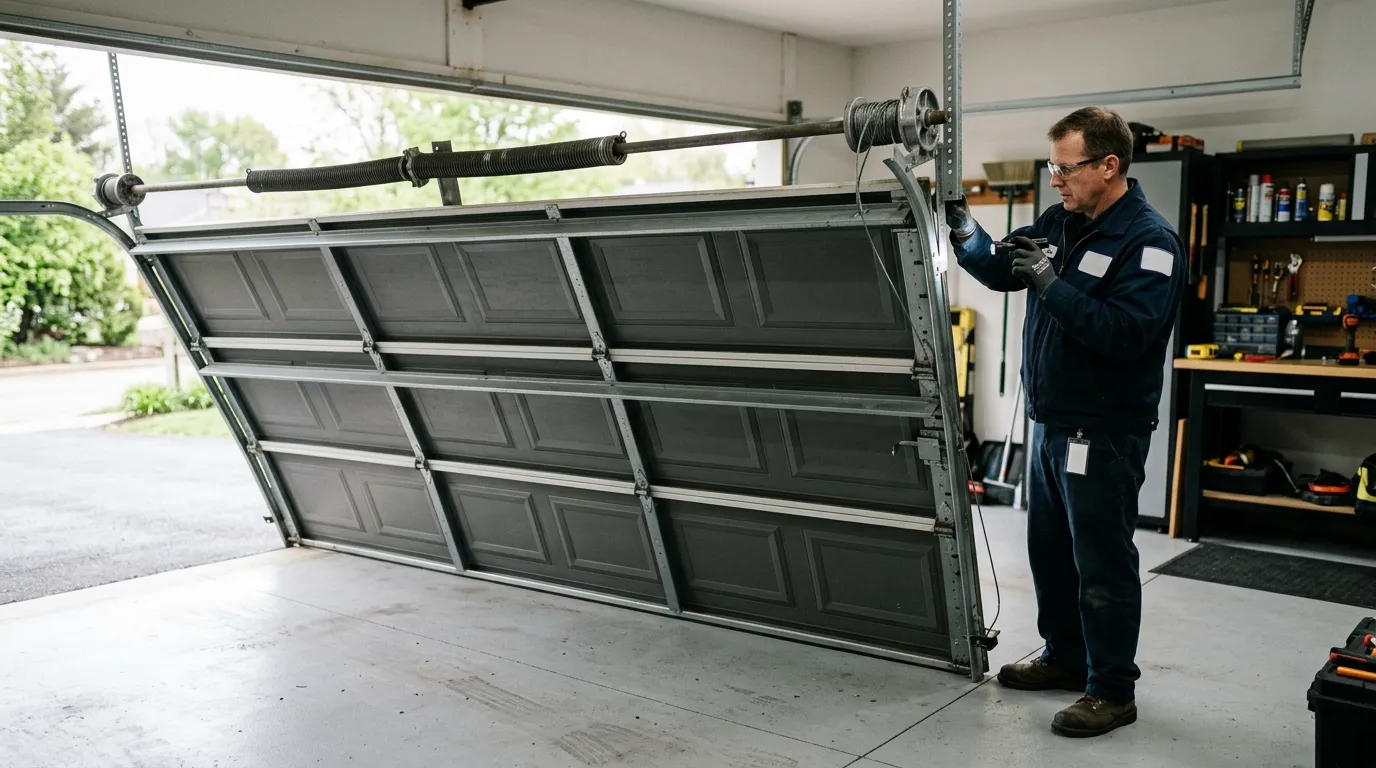
On a door tied to an opening built around 1959, the failure pattern is different from what you'd see on a house from the 1970s or later. Side-mounted torsion hardware on a single spring is common on these older openings, which means when that spring goes, the whole door is dead - there's no second spring to hold half the weight while you wait on a part. Rollers on these setups tend to be the older steel type rather than nylon, so you get more noise and more wear on the track over the years.
Combine that with severe cold-band winters hardening the lubricant and tightening tolerances in the hardware, and January is when a lot of these older Brighton doors finally give out. One honest limitation: if the track itself is bent or the jamb has shifted with the house's age, a spring swap alone won't fix the door - at that point we're talking about a track reset or a full hardware upgrade, and we'll say so before we start rather than after.
How we work
The Houses Here
Brighton has roughly 15,904 households, with a median income of $83,723 - a bit above the wider service area's $80,135. That income level tends to correlate with more owners opting for full opener upgrades rather than patching the old unit, and we see that pattern here. Brighton sits close to several other communities in the service area, including West Irondequoit and East Irondequoit to the northeast and Highland to the southwest, and the housing ages differ block by block as you move toward those edges.
We don't work on every era of door the same way, and we won't tell a homeowner with a 1959-built opening that the fix is identical to what a 1980s house needs. It usually isn't. Knowing the age of the stock going in changes what we bring to the job and how we quote it, which is the whole reason area-specific numbers matter more than a generic citywide average.
Questions
Common questions
Why does my Brighton house have a different spring setup than my neighbor's newer house?
Brighton's median home dates to 1959, ahead of the 1967 median for the broader Rochester service area. Openings from that era were often built or retrofitted with a single side-mounted torsion spring rather than the dual-spring setups common on later construction, so the failure pattern and repair differ.
Does Rochester Garage Door Pros have a location in Brighton?
No. We're based in Rochester and travel to Brighton, about 4 miles away, for scheduled jobs. We don't keep a depot or staff stationed in Brighton, so we plan the trip around the job rather than offering an on-site presence.
Will cold winters make my old Brighton door fail faster?
The severe cold climate band here stresses springs and cables on any door, but older single-spring torsion setups common in Brighton's 1959-era housing have less redundancy. When that one spring fails in winter, the door is fully down, not half-working.
Is it worth replacing an old door instead of repairing it?
Depends on the opening. If the track and jamb are still true, a spring or hardware swap matched to the door's weight is usually enough. If the frame has shifted with the house's age, patch repairs won't hold and a full upgrade is the more honest answer.
Ready when you are
Need a garage door sorted in Rochester?
Rochester Garage Door Pros repairs and installs garage doors, springs and openers in Rochester, NY and the surrounding area.