
Guide
When a Spring Goes in Cold Weather
Rochester's 1938-1987 housing stock and severe cold hit torsion springs hard. Here's what local homeowners should know before a door fails in January.
Local detail
What Local Conditions Do
Rochester sits in a severe cold climate band, and that matters more for a garage door than most people think. Steel torsion springs lose flexibility as the temperature drops, and the metal itself contracts, which raises tension on a spring that's already carrying the full weight of the door. A spring that's been fine for years can snap on the coldest morning of the year simply because cold is the last straw on top of normal wear.
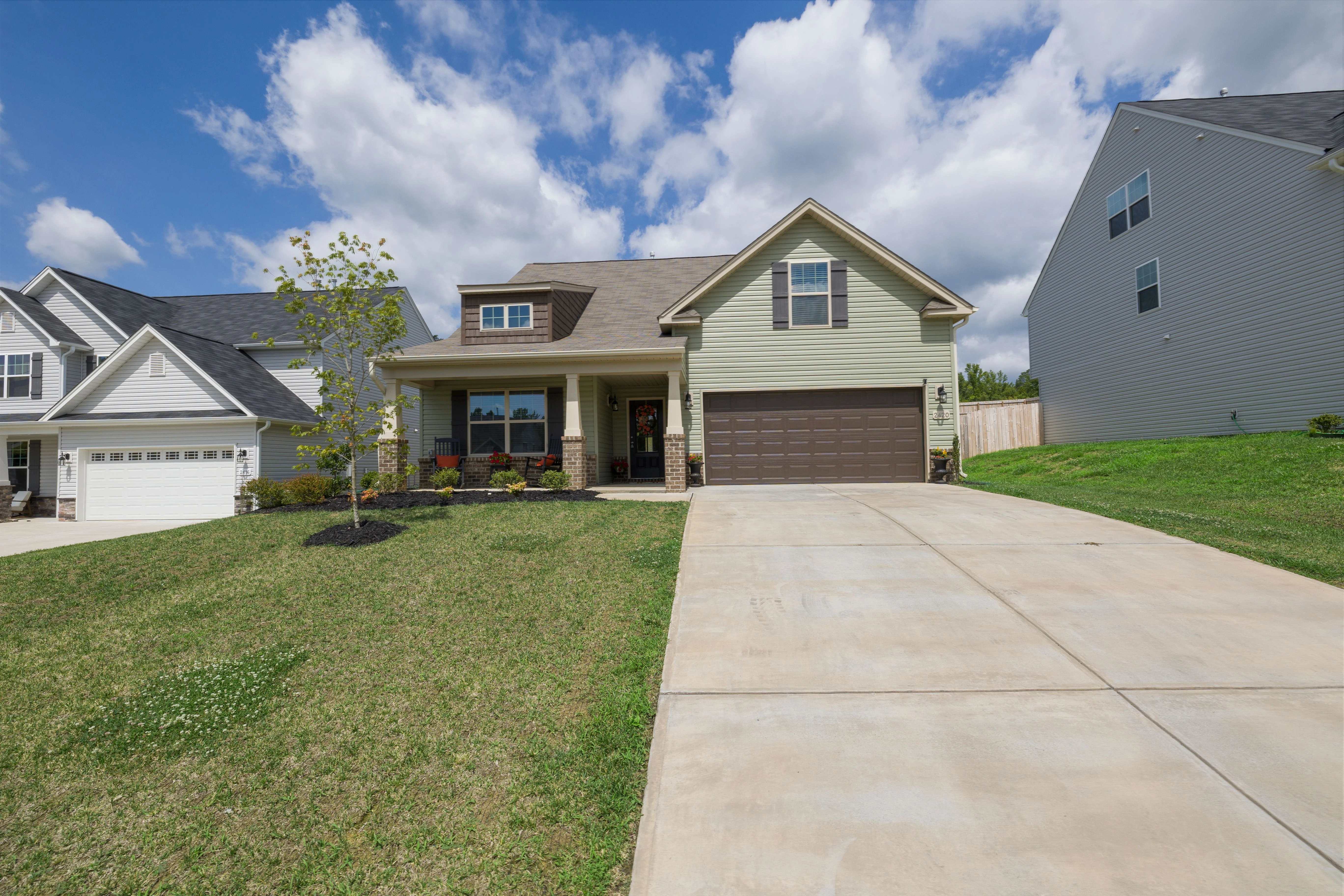
Most of the housing here went up between 1938 and 1987, with a lot of it clustered in the 1960s and 70s across the older neighborhoods and inner suburbs. That means a big share of doors in this area are original hardware, or a second-generation replacement installed decades ago on the same track and jamb. Older torsion setups weren't built with today's insulation standards in mind, and an unheated or poorly sealed garage lets outside cold reach the spring directly. If your garage isn't insulated, the metal inside it is running close to the same temperature as the air outside, all winter long.
A garage that stays a little warmer, even just from being attached to a heated house, buys the hardware some slack. That's not something you can retrofit overnight, but it's worth knowing why some doors in this town fail every hard freeze and others don't.
The area
What It Costs
We're not going to put a number here that doesn't hold up once we're standing in your garage. Cost depends on whether it's one spring or two, the door's weight and size, and whether the drums, cables, or bearings went with it. What we can tell you is what drives the cost up in houses of this era: original hardware from the 1960s and 70s often uses parts that aren't stocked in a standard van kit, which means either a supplier trip or a modern equivalent swapped in, and that's a different job than replacing a five-year-old spring.
One honest limitation: we can't quote a fair price over the phone for a cold-weather spring failure without knowing the door's age and setup. Anyone who gives you a number before seeing the door is guessing. What we can do is tell you, once we've looked at it, whether you're looking at a straight spring swap or something bigger tied to the age of the track and opener.
What we find
What Is Going On
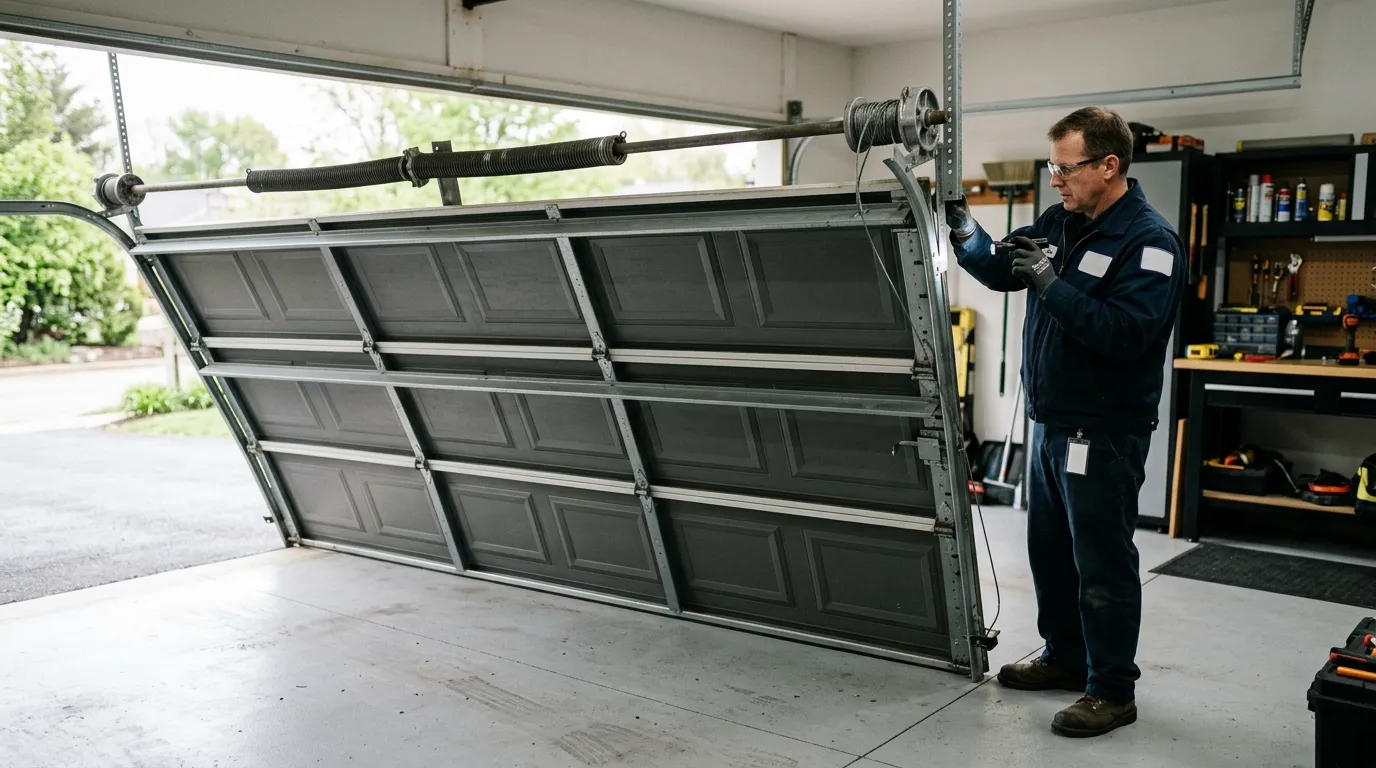
When a spring lets go in the cold, it's rarely just bad luck. A torsion spring is rated for a set number of cycles, and every open and close uses one up. In a household that's been running the same door for decades, in a home built well before modern spring standards, that cycle count has usually been climbing for a long time before the cold weather finally exposes it.
Cold makes the failure sudden rather than gradual. The steel gets less forgiving, so instead of a spring slowly losing lift and telling you something's wrong through a heavier door, it can just go, usually on the coldest stretch of the season when the metal is at its stiffest and the tension is at its highest. That's the pattern we see in the older housing across this area, where a lot of doors are still running hardware installed when the house was newer than it is now.
If your door has started sounding different, lifting slower, or sagging slightly on one side before a cold snap, that's the spring telling you it's close. It's not a coincidence that the calls cluster in January and February here.
How we work
When It Stops Being a DIY Job
A broken torsion spring is not a project for a homeowner, cold weather or not. The spring is under enough tension to cause serious injury if it's released wrong, and that risk doesn't change whether it's forty degrees or four. If the spring itself has snapped, the safe move is to leave the door where it is and get someone out who has the bars and clamps for it.
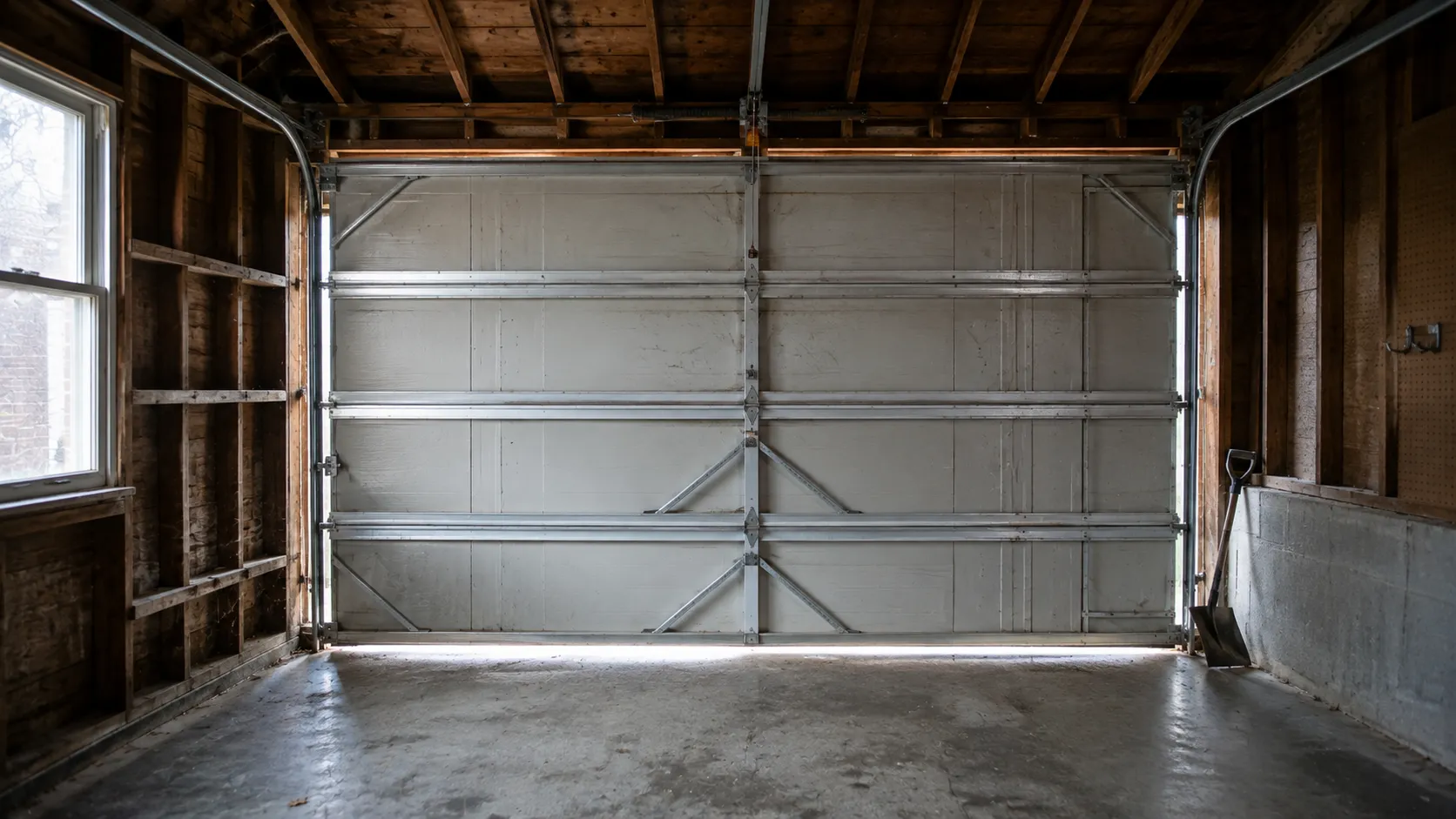
Where it clearly goes past DIY, and past a simple repair too, is when the spring failure has taken something else with it: a bent track, a cable that's jumped the drum, or an opener that's been straining against a dead spring and burned out its gears. On older homes in this area, we also see doors where the track or hardware is old enough that patching the spring alone doesn't fix the underlying problem, and putting a new spring on a tired frame just moves the next failure a few months down the road.
If you're not sure which situation you're in, that's a reasonable thing to have someone look at before you decide whether it's a repair or a replacement.
Questions
Common questions
Why do garage door springs break more in winter here?
Cold makes steel stiffer and less forgiving, and Rochester sits in a severe cold climate band, so a spring nearing the end of its cycle life is more likely to snap during a hard freeze than in mild weather. It's usually years of wear reaching a breaking point, with the cold as the final trigger.
Is my garage door old enough to have outdated spring hardware?
A lot of houses in this area were built between 1938 and 1987, with much of the stock from the 1960s and 70s. If your house falls in that range and the door hasn't been replaced, there's a decent chance the spring setup predates current hardware standards.
Can I replace a broken torsion spring myself?
No. A torsion spring holds enough tension to cause serious injury if released improperly, and that risk is the same in any weather. If a spring has broken, leave the door alone and have someone with the right bars and clamps handle it.
Does an unheated garage make spring failure worse?
Yes. An unheated or poorly sealed garage lets outside cold reach the spring directly, so the metal runs close to outdoor temperature all winter. A garage that stays a little warmer, even from sharing a wall with a heated house, puts less stress on the hardware during a freeze.
Ready when you are
Need a garage door sorted in Rochester?
Rochester Garage Door Pros repairs and installs garage doors, springs and openers in Rochester, NY and the surrounding area.