
Wheatland, Rochester NY
Garage Door Service for Wheatland Homes
Serving Wheatland from Rochester, 15 miles out. Doors here mostly date to the early 1970s, later than the metro average, which changes what breaks first.

Local detail
The Split Between Old and New
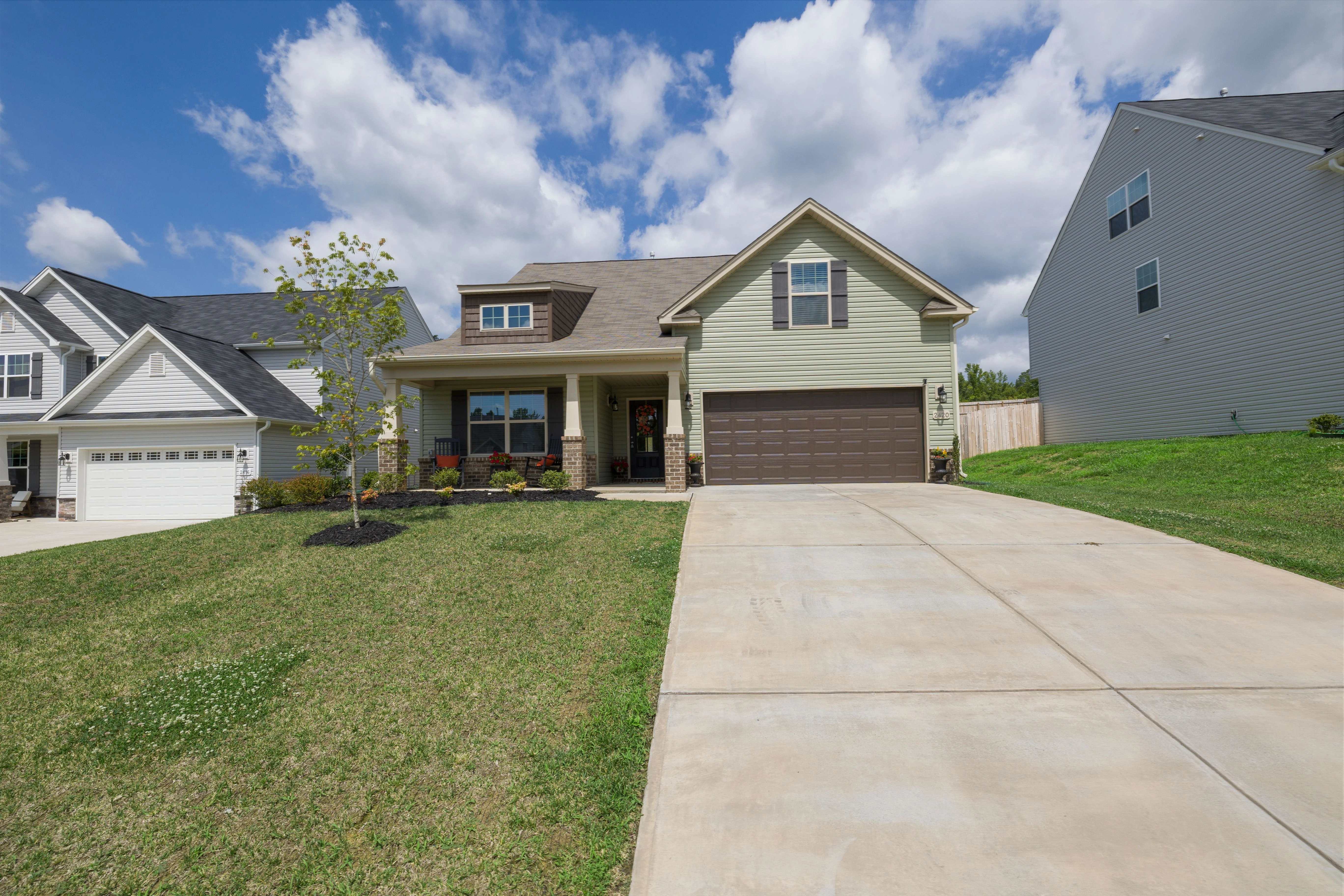
Across the wider service area, the median home was built in 1967. Wheatland runs newer than that - the typical house here went up around 1972, closer to the tail end of the postwar building boom than the start of it. That five-year gap matters more than it sounds like on paper. Homes built in the mid-to-late 1960s across this region often still carry side-mounted torsion setups or early extension-spring conversions, the kind of hardware that's hard to source parts for now.
A 1972 build is more likely to have come with a standard torsion bar mounted centered above the door, the layout that most garage door parts today are still made to fit. That doesn't mean Wheatland is free of old hardware - plenty of houses had their original springs and openers swapped out once or twice over fifty years, and some got upgraded doors while keeping the original 1970s track and drum. What it does mean is that when we get a call from Wheatland, we're less often untangling a genuinely obsolete setup and more often dealing with wear on parts that were reasonable and standard when installed, now just old.
The area
What We Do Most in This Area
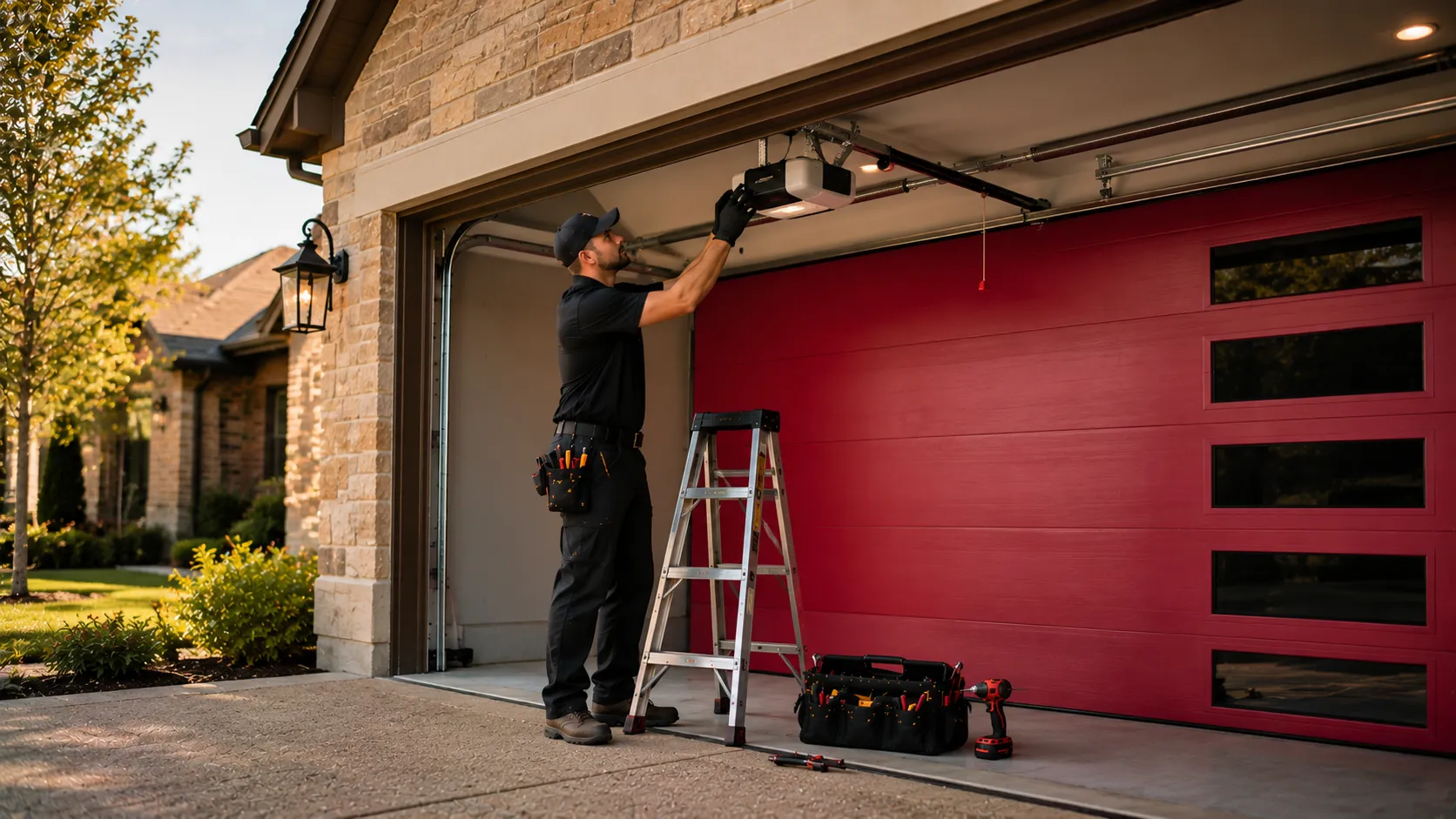
Wheatland has about 2,049 households, and the housing stock leans owner-occupied, which tends to mean doors that get used daily rather than sitting idle. With a median household income around $79,022, most of the calls we get out here are repair calls - a broken torsion spring, a cable that's jumped its drum, a roller that's worn its bearing out - rather than full door replacements. That's consistent with a housing stock old enough to have original hardware fatigue but not so old that the doors themselves are falling apart.
We do see full opener swaps, mostly on units original to a 1970s build that have simply run their course after decades of duty cycles. What we don't see much of, and don't push, is replacement when a repair will do - if a spring job or a track alignment gets a fifty-year-old door running quiet and square again, that's the job, not an upsell.
What we find
How That Shows Up in the Door
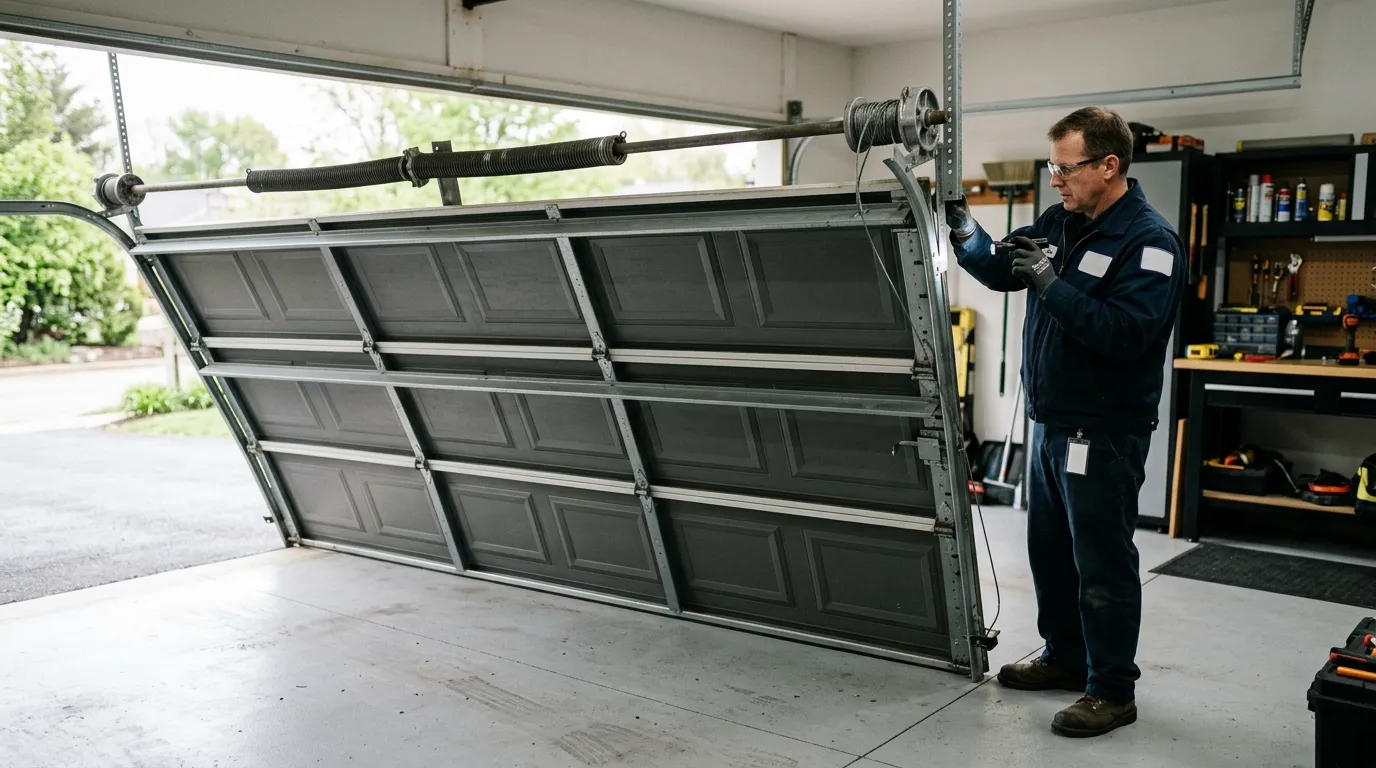
This region sits in a cold, severe winter climate band, and that cuts differently depending on the door's age. On a door with 1970s-era steel and thin foam-in-place insulation, or none at all, cold snaps make torsion springs stiffen and openers strain harder to lift a door that's picked up moisture weight in its panels. We see broken springs cluster in the coldest stretches of the year here for exactly that reason - metal fatigue that's been building for years finally gives out on the morning it's 5 degrees.
Panels on older uninsulated doors also tend to warp slightly where cold meets a heated garage interior, which throws off the track alignment over time. None of this is unique to any one house, but it's common enough on doors from this build era that when a Wheatland customer describes a stiff, noisy door in January, we already have a good guess before we see it.
How we work
The Houses Here
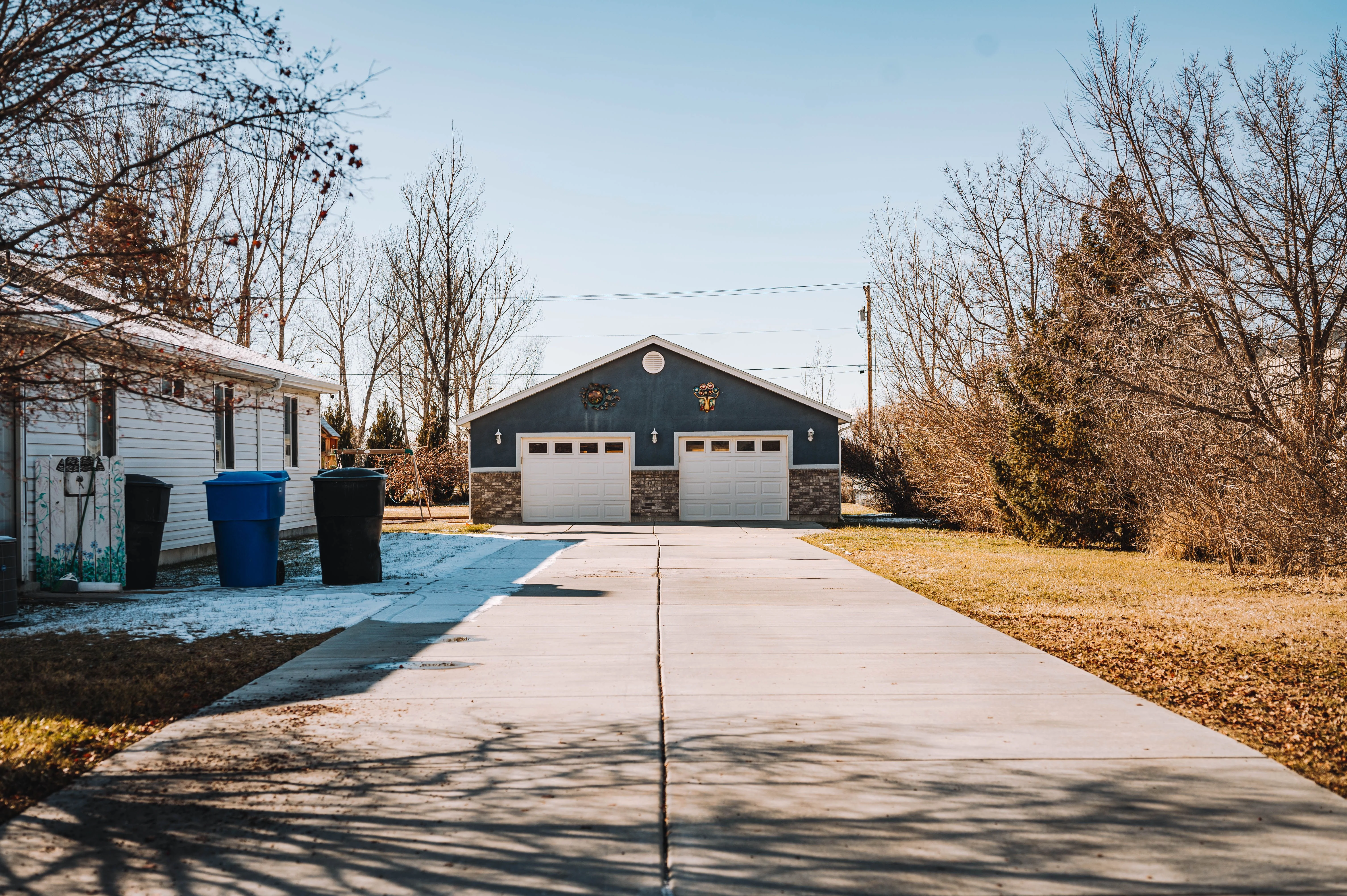
Wheatland sits about 15 miles from Rochester, which puts it toward the outer edge of the areas we cover - we travel out for calls, we don't keep a location here, so scheduling a same-day slot at the far end of a route isn't always possible the way it might be closer in. Worth being upfront about that. The houses themselves, going up mostly in the early 1970s, are a mix of single and two-car garages, and we don't have a breakdown of exact door widths or garage counts for this specific area beyond that.
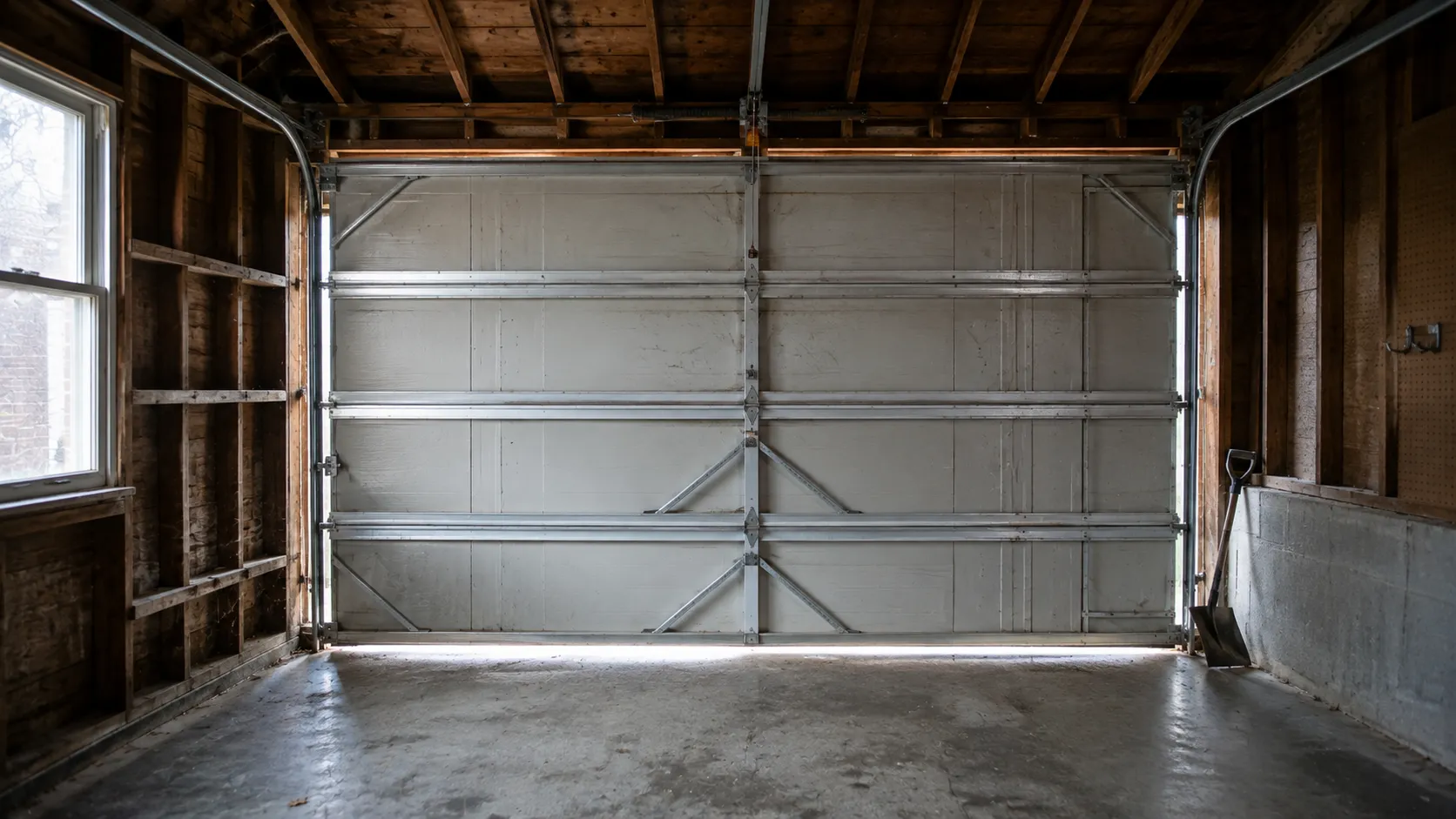
What we can say is that the build era lines up with a period when steel sectional doors were becoming standard, replacing the older wood swing-out and one-piece tilt-up styles you'll still find occasionally on an older lot nearby. If your door still tilts up as one panel rather than sectioning into the ceiling, that's an older door than most of what's around it, and parts for it are a different conversation entirely.
Questions
Common questions
Do you have a shop or depot in Wheatland?
No. We're based in Rochester and drive out to Wheatland for calls, about 15 miles each way. That doesn't change the work once we're there, but it does mean scheduling depends on the route that day rather than a local team sitting nearby.
Why do springs seem to fail more in winter here?
This area sits in a cold, severe winter climate zone. Cold makes torsion springs stiffer and more prone to snapping under normal use, especially springs that already have years of cycles on them. It's not a coincidence that winter is when most of our spring calls come in.
Is my door too old to repair?
Usually not. Most Wheatland homes date to around 1972, and standard torsion hardware from that era is still serviceable with parts made today. The exception is older one-piece tilt-up doors, which are a different animal and worth a real look before deciding.
Do you replace doors or mostly repair them?
Mostly repair, based on what we see in this area - broken springs, worn rollers, misaligned tracks. Replacement makes sense when a door's structure is failing or an opener is beyond its service life, not just because it's old.
Ready when you are
Need a garage door sorted in Rochester?
Rochester Garage Door Pros repairs and installs garage doors, springs and openers in Rochester, NY and the surrounding area.