
Guide
Weather Seals and Draughts on Rochester's Older Garage Doors
Rochester's 1938-1987 housing stock and severe cold climate mean specific seal failures. Here's what actually happens to weather seals and draughts on these doors.
Local detail
What Local Conditions Do
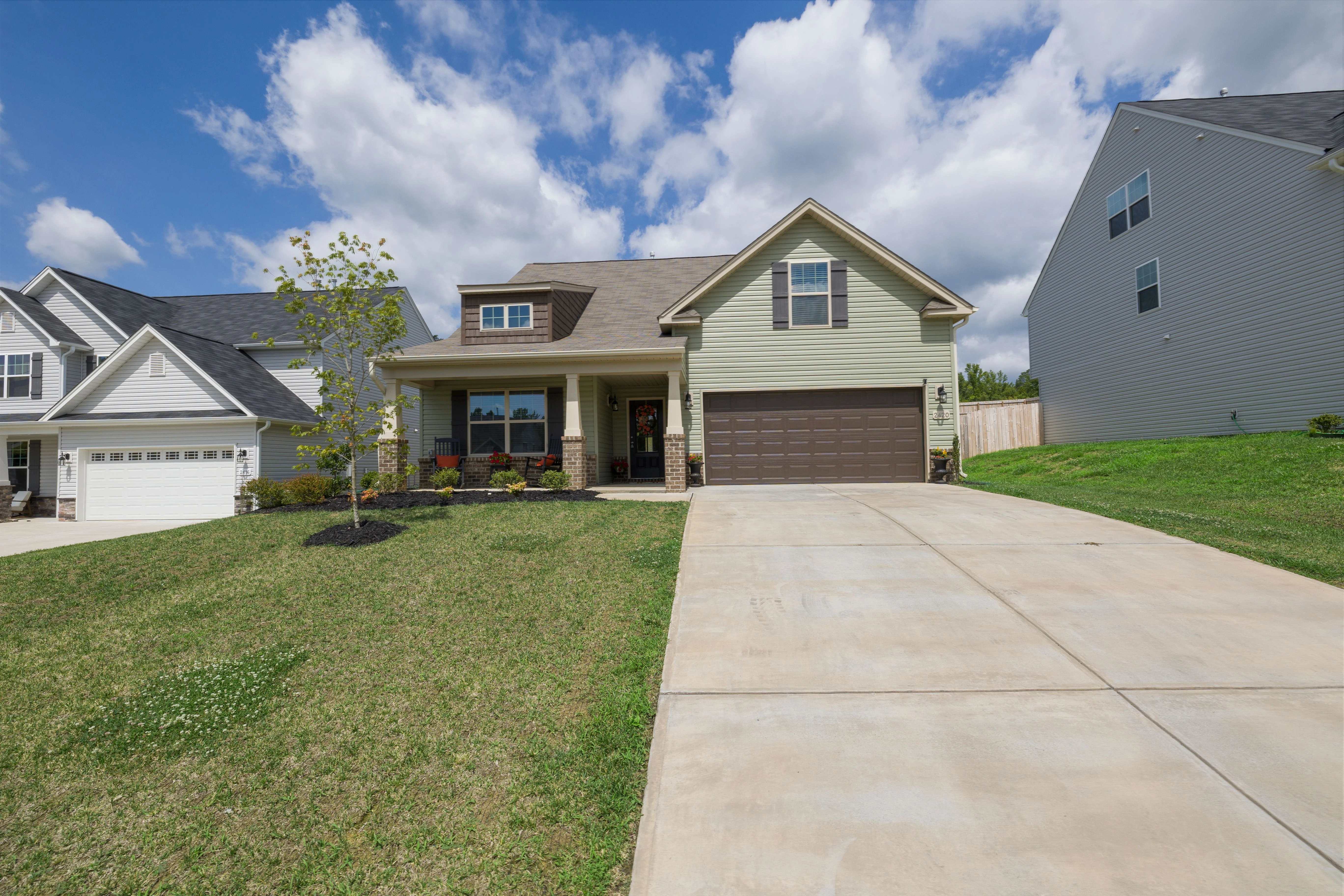
Most of the garage doors we look at sit on houses built between 1938 and 1987, with the bulk of that stock going up in the 1960s and 70s across neighborhoods like the 19th Ward, North Winton Village, and Maplewood. That means original jamb dimensions that don't match anything sold today, and bottom seals that were installed for a climate expectation nobody designed around.
Rochester sits in a severe cold band, and that changes how rubber behaves. A vinyl bottom seal that's fine in a mild climate turns brittle here by its third or fourth winter because it's cycling through freeze and thaw dozens of times a season, not just a handful. The seal cracks at the folds first, right where it wraps the aluminum retainer, and that's where you feel the draught along the floor before you see the crack.
Side and top seals fail differently. On the older jamb styles common in this housing era, the seal track is often narrower than current stock, so a seal bought off the shelf at a big box store doesn't sit flush. It looks installed but it's not sealing, and the gap shows up as a cold stripe along the door frame that gets worse as the wood jamb itself shrinks with age and repeated freeze cycles.
The area
What It Costs
We don't have a set price to quote here without seeing the door - jamb width, seal track profile, and how much the wood frame has moved over the decades all change what's needed. A straight bottom seal swap on a standard track is a different job than replacing side seals on a house where the jamb has warped enough that the retainer no longer sits square.
What we can tell you is that the age of the housing stock in this service area is the main cost driver, not the size of the door. A 1960s jamb that's shifted needs more than a seal - sometimes it needs a strip of new stop molding before the seal will hold at all. That's a different scope than a same-year seal replacement on a door that's still square.
If you want a number, that has to come from someone standing at your door with a tape measure, not from a page like this one.
What we find
What Is Going On
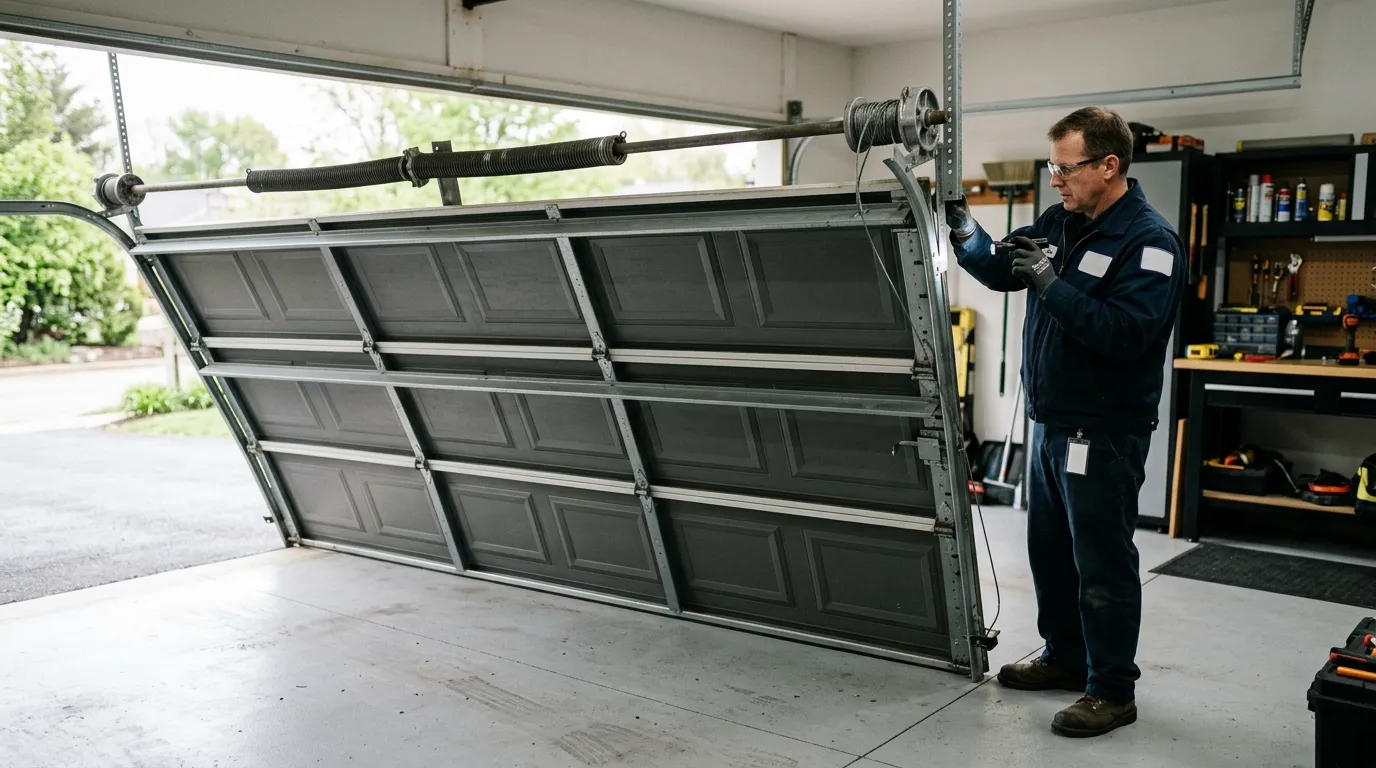
When a homeowner calls about a draught, it's rarely just the bottom seal. In this climate band, cold air finds every gap, and on houses from the 1938-1987 build era, there are usually two or three gaps working together: a cracked bottom seal, a side seal that's pulled loose from a shrunken jamb, and sometimes a top seal that was never replaced when the door itself was swapped out at some point in the last sixty years.
With 64,958 owner-occupied houses across this service area, we see the same pattern repeat block after block - original openings, replacement doors from different decades bolted into frames that predate them. The seal that came with a newer door often doesn't match the old track dimensions, so it's held in with extra fasteners or foam that fails within a season or two.
The honest answer to "why is my garage so cold" is almost always the frame, not just the door. Seals are cheap and easy to blame. A jamb that's moved with fifty or sixty years of freeze-thaw is the actual problem, and no seal fixes that by itself.
How we work
When It Stops Being a DIY Job
Swapping a bottom seal is a reasonable weekend job if the track is straight and the door is square - plenty of Rochester homeowners do it themselves every fall. Where it stops being a DIY job is when the jamb itself has moved, which is common enough in housing from this era that we check for it before selling anyone a seal kit.
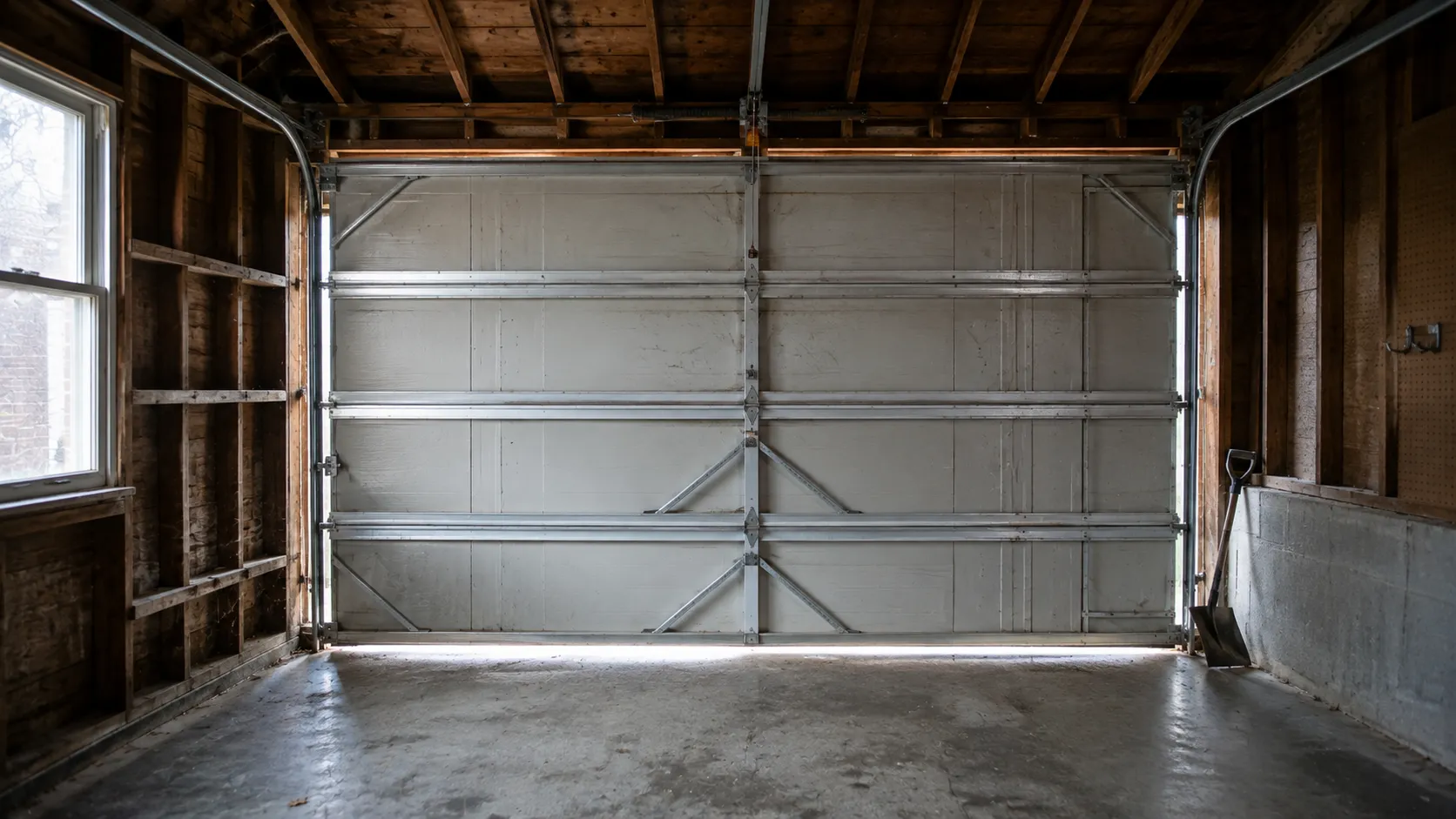
If you press on the side jamb near the seal track and it flexes, or if the gap is wider at the top than the bottom, that's not a seal problem anymore - that's a frame problem, and a new seal on a bent track will fail again within months. At that point you're looking at frame repair or, if the door itself is original to a 1960s or 70s build, weighing replacement against fixing a door that's outlived its hardware anyway.
We won't sell a seal kit to fix a jamb issue. That's a job that needs someone on-site with a level, not a page telling you what to buy.
Questions
Common questions
Why does my garage door let in cold air even with a new seal?
In houses built during Rochester's 1938-1987 boom, the jamb itself often has shrunk or shifted over decades of severe cold cycling. A new seal can't compensate for a warped track - the seal needs a straight, square surface to press against, and older frames frequently aren't square anymore.
How often should I replace garage door weather seals in Rochester?
There's no fixed interval, but Rochester's severe cold band puts more freeze-thaw stress on rubber and vinyl than milder climates. Homeowners here often find bottom seals crack or harden within three to four winters, faster than manufacturer estimates written for a national average climate.
Is a draughty garage door worth fixing or should I replace the whole door?
It depends on the door's age and the jamb condition. If the frame has shifted significantly, seal replacement alone won't hold. On a door already original to a 1960s or 70s build, it's often worth weighing full replacement rather than repeatedly re-sealing a frame that keeps moving.
Ready when you are
Need a garage door sorted in Rochester?
Rochester Garage Door Pros repairs and installs garage doors, springs and openers in Rochester, NY and the surrounding area.